mTeSR™ Plus

cGMP, stabilized feeder-free maintenance medium for human ES and iPS cells

Need a high-quality cell source? Choose from our hiPSC healthy control lines, manufactured with mTeSR™ Plus.

mTeSR™ Plus

cGMP, stabilized feeder-free maintenance medium for human ES and iPS cells

From: 407 USD
Catalog #
(Select a product)
cGMP, stabilized feeder-free maintenance medium for human ES and iPS cells
Add to Wish List

Product Advantages


  • Enhanced buffering and stabilized FGF2 support cell quality while allowing for alternate feeding schedules

  • Supports superior culture morphology and cell growth characteristics

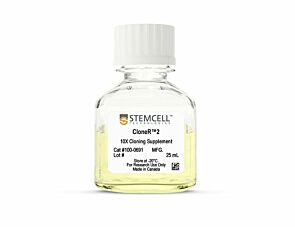
  • Enables heightened single-cell survival when used with CloneR™

  • Fully compatible with established genome editing and differentiation protocols

What's Included

  • mTeSR™ Plus Kit, cGMP (Catalog #100-0276)
    • mTeSR™ Plus Basal Medium, 400 mL
    • mTeSR™ Plus 5X Supplement, 100 mL
  • mTeSR™ Plus Kit (Catalog #(100-1130)
    • mTeSR™ Plus Basal Medium, 800 mL
    • mTeSR™ Plus 5x Supplement, 2 x 100 mL

What Our Scientist Says

Innovation is a core value at STEMCELL. The evolution to mTeSR™ Plus reflects that and our desire to serve the next generation of pluripotent stem cell researchers.

Matthew WongScientist
Matthew Wong, Scientist

Overview

Enjoy weekend-free schedules and enhanced growth characteristics while maintaining cell quality with this stabilized feeder-free maintenance medium for human pluripotent stem cells (hPSCs).

Manufactured under relevant cGMPs, mTeSR™ Plus ensures the highest quality and consistency for fundamental research as well as for cell therapy and investigational new drug research applications. It is based on mTeSR™1 (Catalog #85850), the most widely published feeder-free cell culture medium for hPSCs. With stabilized critical medium components, including FGF2, and enhanced pH buffering, you can use mTeSR™ Plus to maintain cell-quality attributes and increase cell expansion rates with either daily or restricted feeding. Each lot of mTeSR™ Plus 5X Supplement is used to prepare complete mTeSR™ Plus medium and then performance-tested in a culture assay using human pluripotent stem cells (hPSCs).

mTeSR™ Plus is compatible with a variety of culture matrices, including Corning® Matrigel® hESC-Qualified Matrix and Vitronectin XF™ (Catalog #07180, developed and manufactured by Nucleus Biologics).

For additional quality information, visit www.stemcell.com/compliance.

To request a Letter of Authorization (LOA) for the FDA Master File for mTeSR™ Plus, click here.
Subtype
Specialized Media
Cell Type
Pluripotent Stem Cells
Species
Human
Application
Cell Culture, Expansion, Maintenance
Brand
TeSR
Area of Interest
Disease Modeling, Drug Discovery and Toxicity Testing, Stem Cell Biology
Formulation Category
Serum-Free

Data Figures

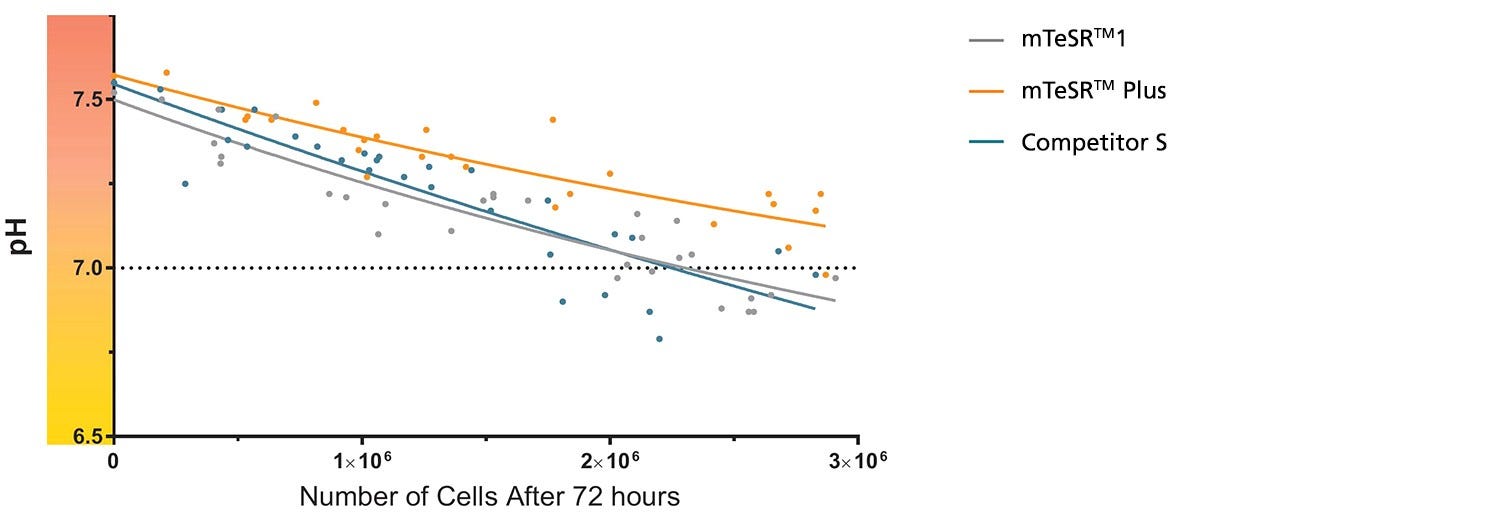
Figure 1. mTeSR™ Plus Maintains Optimal pH Levels Throughout a Weekend-Free Protocol

The pH of spent medium from hPSCs cultured in mTeSR™ Plus is higher than that of hPSCs cultured in mTeSR™1 and other flexible-feeding medium at similar cell densities. pH and cell numbers were measured after a 72-hour period without feeding. Range of cell numbers shown represent different densities that would be observed throughout a typical passage. This demonstrates that feeds can be skipped for two days at any time during routine maintenance using mTeSR™ Plus while maintaining a pH above 7.0. Note: Cultures were fed double the standard medium volume prior to the 72-hour period without feeds in all media and cell numbers are from one well of a 6-well plate.

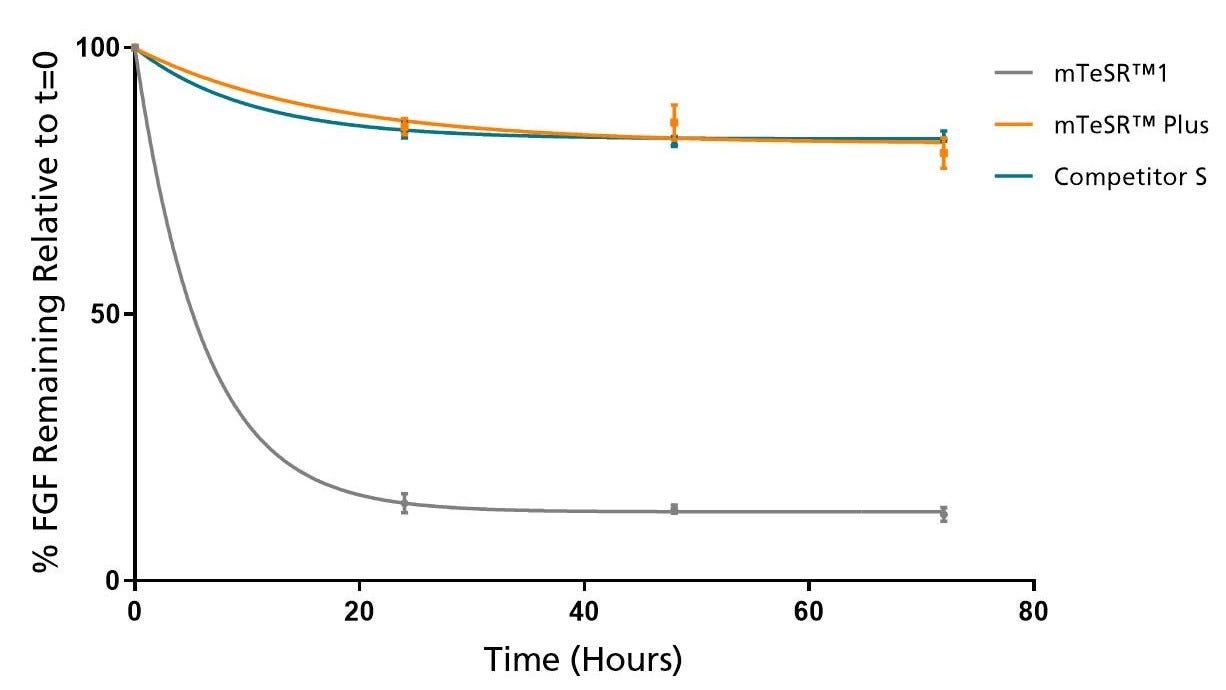
Figure 2. mTeSR™ Plus Maintains Consistent Levels of FGF2 Throughout a Weekend-Free Protocol

FGF2 levels remain high in mTeSR™ Plus when cultured at 37°C over a 72 hour time period. Measured by ELISA.

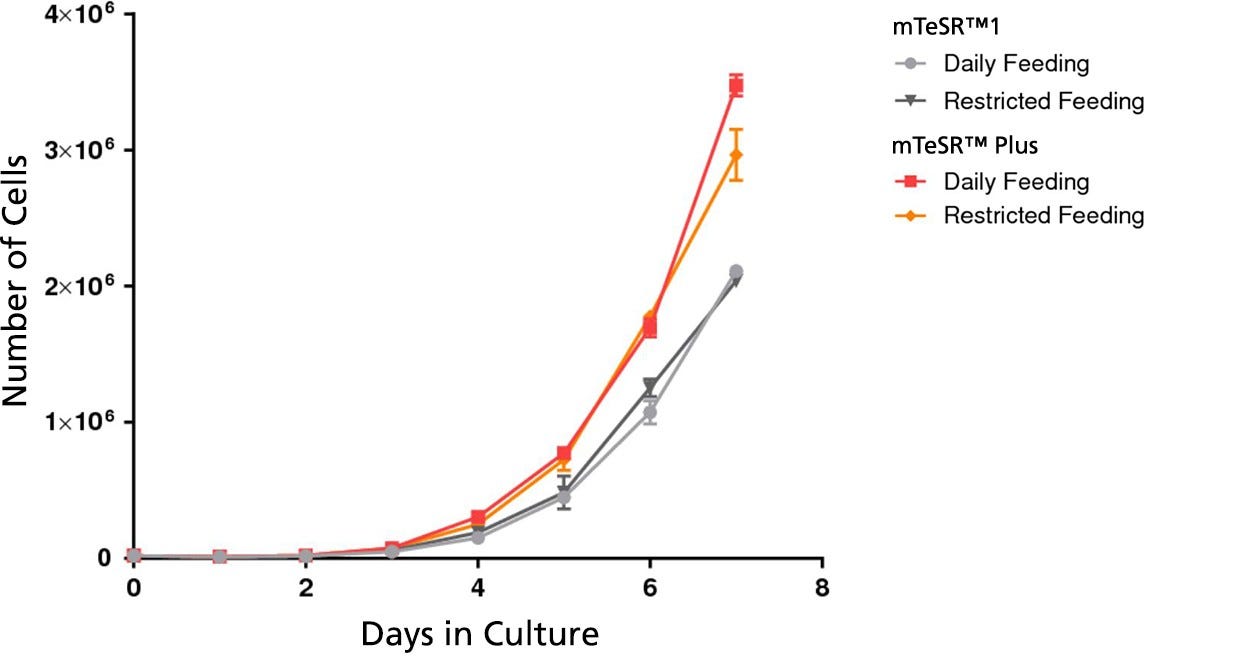
Figure 3. mTeSR™ Plus Supports Higher Cell Numbers

Growth curves were obtained for human ES (H9) cells cultured in mTeSR™1 or mTeSR™ Plus on Corning® Matrigel® matrix over 7 days with either daily feeds or restricted feeds. Growth curves were determined by seeding 20,000 cells per well of a 6-well plate as aggregates and counting the cell numbers each day in duplicate wells.

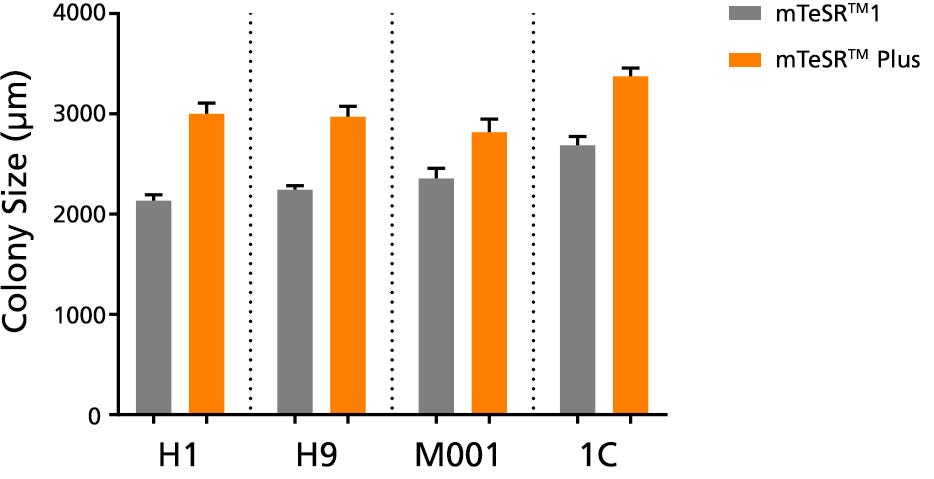
Figure 4. Larger Colonies are Observed in mTeSR™ Plus Cultures

The average colony size per passage (± SEM) was obtained for human ES (H1, H9) and iPS (STiPS-M001, WLS-1C) cells cultured in mTeSR™1 (daily feeds) or mTeSR™ Plus (restricted feeds) on Corning® Matrigel® over 10 passages. Size was determined by measuring representative colony diameters at harvest. Note that this data is representative of cultures passaged at a 7-day passaging interval; smaller colony size should be expected if using shorter passaging intervals.

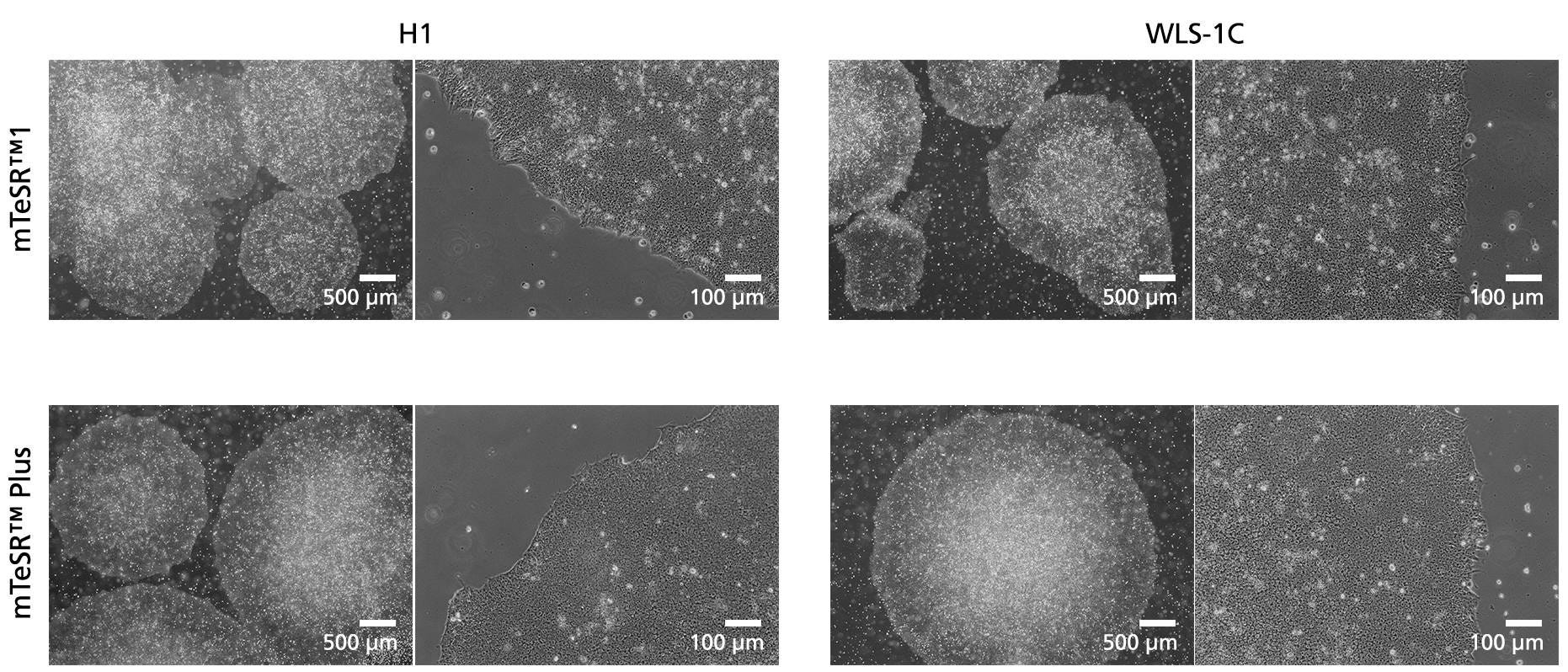
Figure 5. Normal human ES and iPS Cell Morphology is Observed in mTeSR™ Plus Cultures

Images depict undifferentiated human hES (H1) and iPS (WLS-1C) cells cultured on Corning®️ Matrigel®️ matrix in mTeSR™1 with daily feeds or mTeSR™ Plus with restricted feeds. Cells retain the prominent nucleoli and high nuclear-to-cytoplasmic ratio characteristic of this cell type after 10 passages. Densely packed cells and multi-layering are prominent when cells are ready to be passaged.

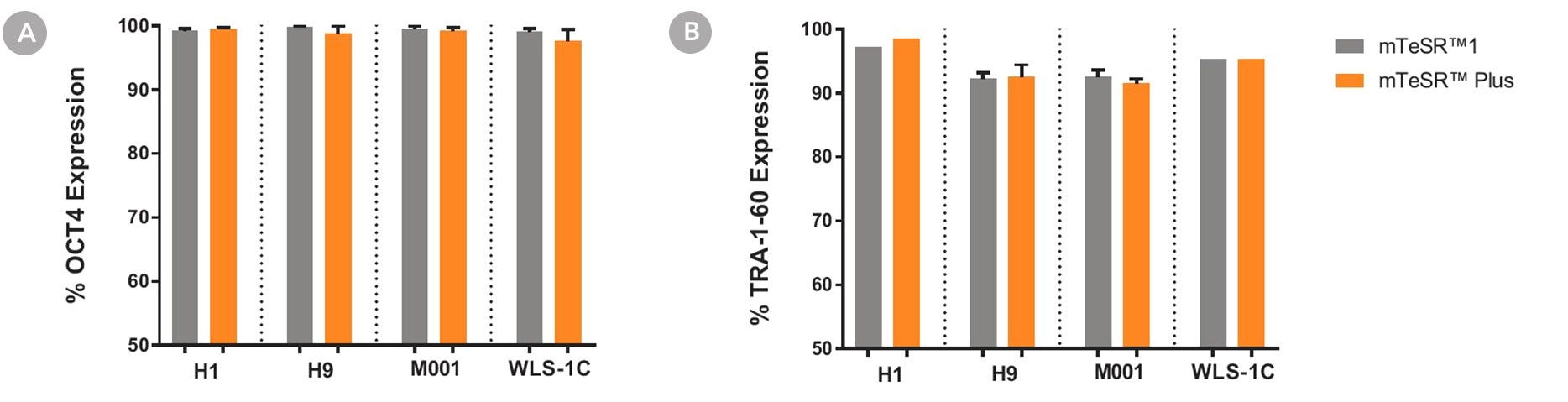
Figure 6. Cells Cultured in mTeSR™ Plus Medium with Restricted Feeding Express Undifferentiated Cell Markers

Human ES (H1, H9) and iPS (WLS-1C, STiPS-M001) cells were characterized using flow cytometry for undifferentiated cell markers, (A) OCT3/4 and (B) TRA-1-60. Graphs show average expression (± SEM) results from analyses of duplicate wells every 5 passages for up to 10-15 passages in mTeSR™1 (daily feeds), or mTeSR™ Plus (restricted feeds).

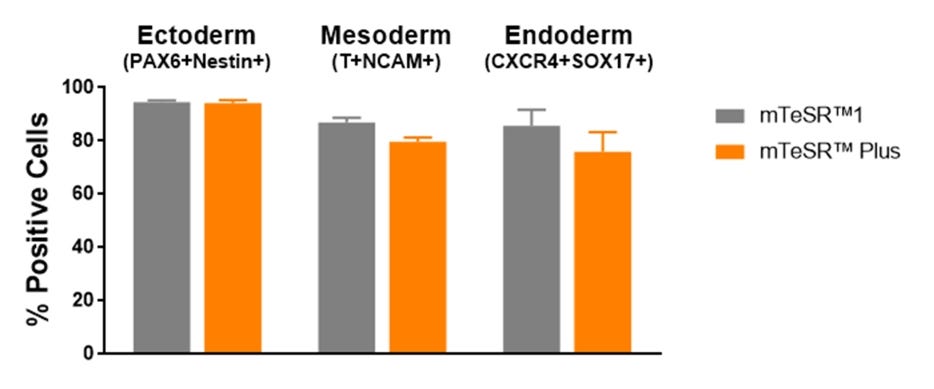
Figure 7. Cells Maintained in mTeSR™ Plus with Restricted Feeding Have Comparable Differentiation Efficiencies to Cells Maintained in mTeSR™1

Human ES (H1, H9) and iPS (WLS-1C, STiPS-M001) cells were maintained in mTeSR™1 (daily feeds) or mTeSR™ Plus (restricted feeds). Cells were differentiated using directed differentiation protocols and subjected to flow cytometry analysis. Graphs show average expression (± SEM) results from the 4 cell lines. The markers used for flow cytometry for each germ layer are listed in the bar titles.

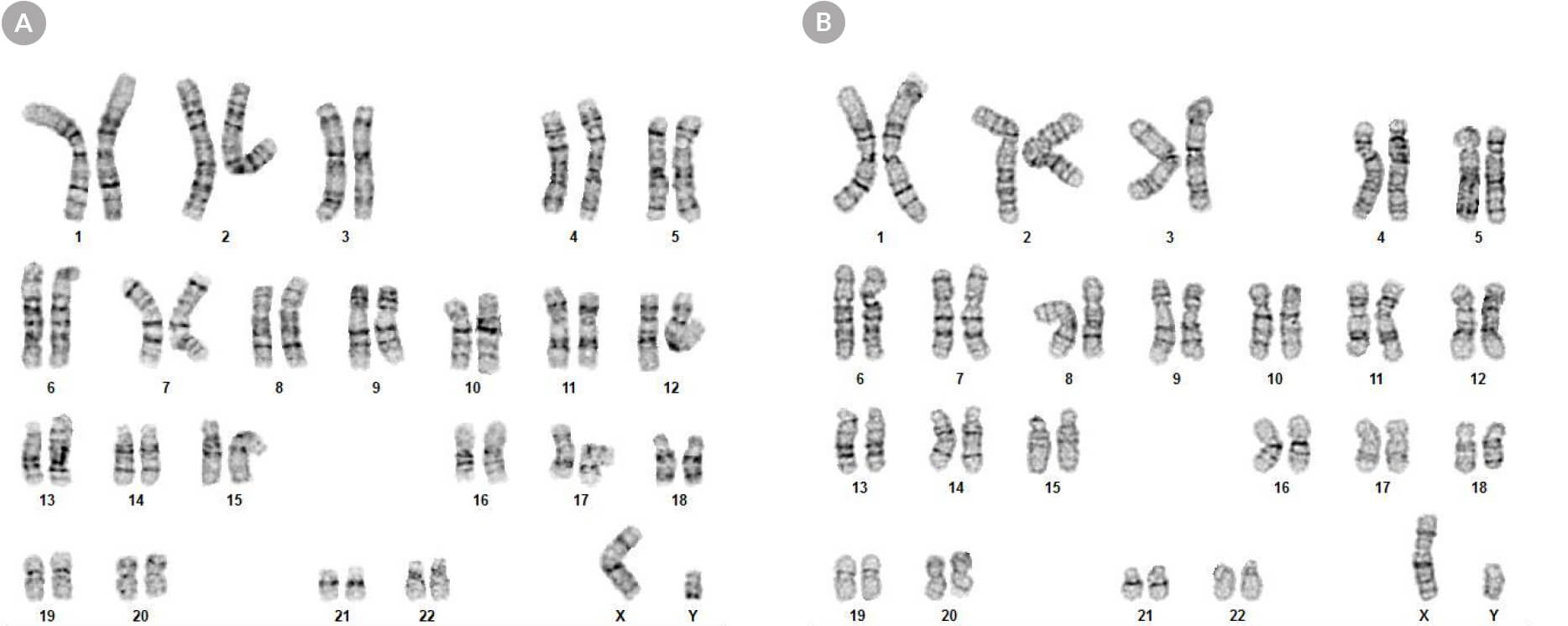
Figure 8. hPSCs Cultured in mTeSR™ Plus with Restricted Feeding Maintain a Normal Karyotype

Karyograms of (A) human ES (H1) and (B) iPS (WLS-1C) cells cultured in mTeSR™ Plus for 30 passages shows a normal karyotype is retained.

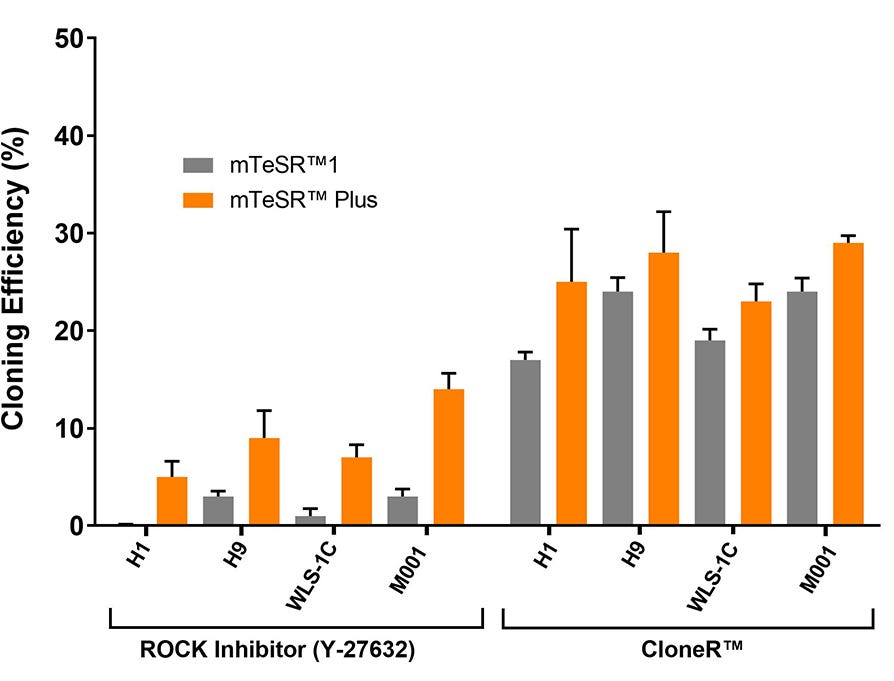
Figure 9. High Cloning Efficiency of hPSCs in mTeSR™ Plus Supplemented with CloneR™

hPSCs (H1, H9, WLS-1C, and STiPS-M001) plated in mTeSR™ Plus with CloneR™ demonstrate cloning efficiencies equal to or greater than hPSCs in mTeSR™1 with CloneR™. Cells were seeded at clonal density (25 cells/cm²) in mTeSR™1 or mTeSR™ Plus on CellAdhere™ Vitronectin™ XF™-coated plates. n ≧ 3 biological replicates.

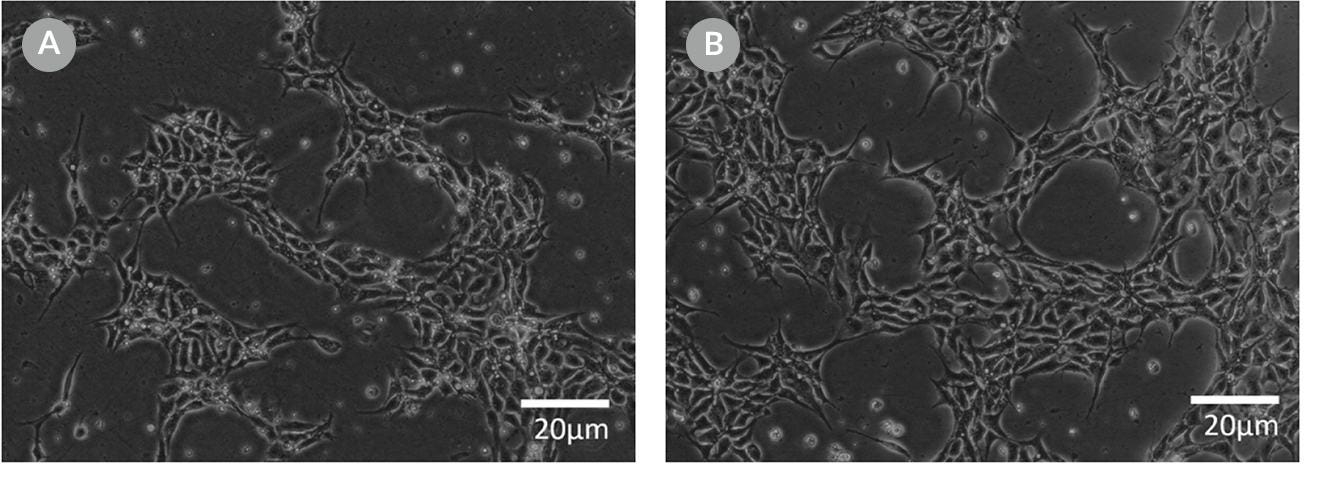
Cell morphology images of ES cells plated in mTeSR™1 and mTeSR™ Plus and supplemented with CloneR™ immediately following RNP electroporation.

Figure 10. Representative Cell Morphology 24 Hours After RNP Electroporation in mTeSR™1 and mTeSR™ Plus

H1-eGFP ES cells were plated in (A) mTeSR™1 and (B) mTeSR™ Plus and supplemented with CloneR™ immediately following RNP electroporation. Images were taken 24 hours after electroporation.

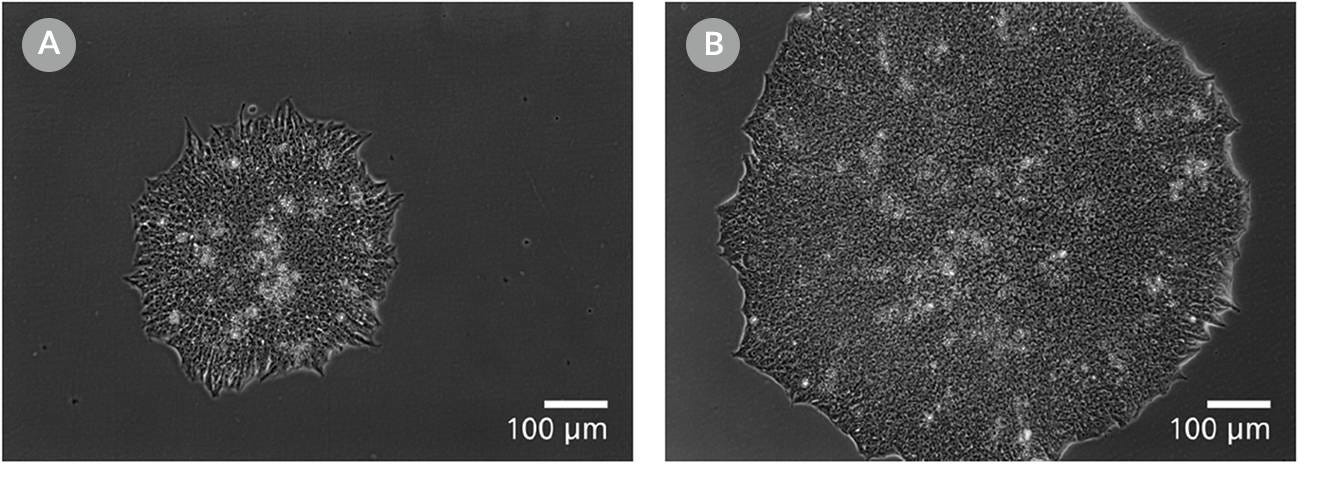
Cell images of human ES colonies plated in mTeSR™1 and mTeSR™ Plus and supplemented with CloneR™ on CellAdhere™ Vitronectin™ XF™-coated plates.

Figure 11. Clones Derived in mTeSR™ Plus are Larger and Ready to Be Picked at an Earlier Timepoint

Representative images of human ES (H9) colonies taken 8 days following singlecell plating at clonal density (25 cells/cm²) in either (A) mTeSR™1 or (B) mTeSR™ Plus supplemented with CloneR™ on CellAdhere™ Vitronectin™ XF™-coated plates.

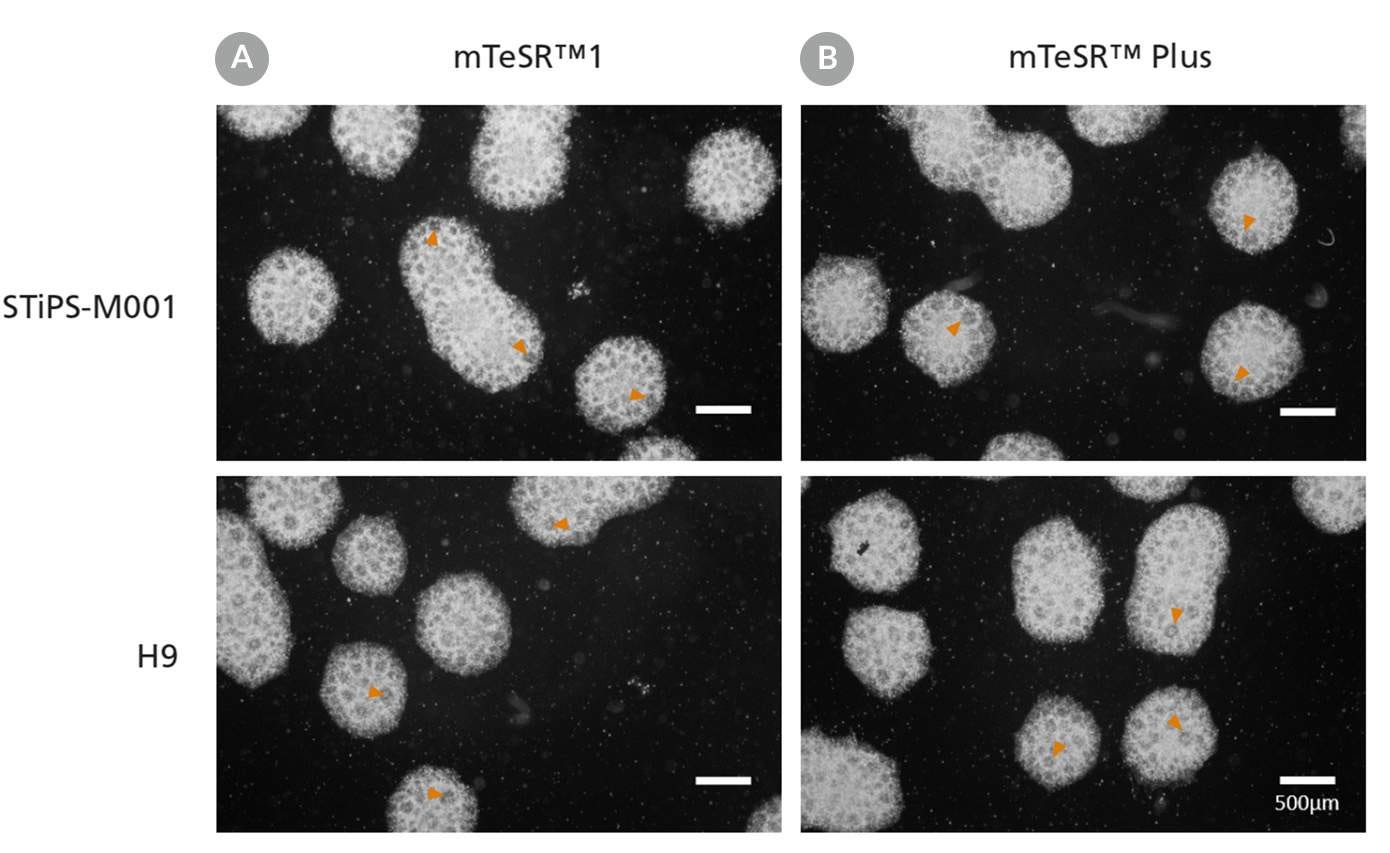
Cell morphology images of neural progenitor cells maintained in mTeSR™1 or mTeSR™ Plus. Arrowheads point to clearly displayed neural rosettes after replating embryoid bodies.

Figure 12. Generation of Neural Progenitor Cells from hPSCs Maintained in mTeSR™ Plus

Human ES (H9) and iPS (STiPS-M001) cells were maintained in (A) mTeSR™1 with daily feeds or (B) mTeSR™ Plus with restricted feeds and differentiated using an embryoid body (EB)-based protocol with STEMdiff™ SMADi Neural Induction Kit. Neural progenitor cells derived from hPSCs maintained in either mTeSR™1 or mTeSR™ Plus clearly display neural rosettes (arrowheads) after replating EBs.

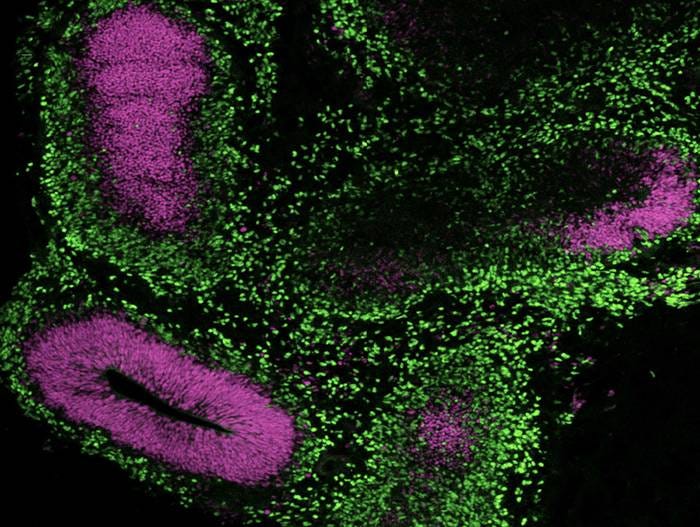
Immunocytochemistry image of a cerebral organoid cultured in mTeSR™ Plus and directed to cerebral organoids using the STEMdiff™ Cerebral Organoid Kit.

Figure 13. Generation of Cerebral Organoids from hPSCs Maintained in mTeSR™ Plus

Human ES (H9) cells were cultured with mTeSR™ Plus and directed to cerebral organoids using the STEMdiff™ Cerebral Organoid Kit. Image shows apical progenitor marker SOX2 (purple) and neuronal marker TBR1 (green).

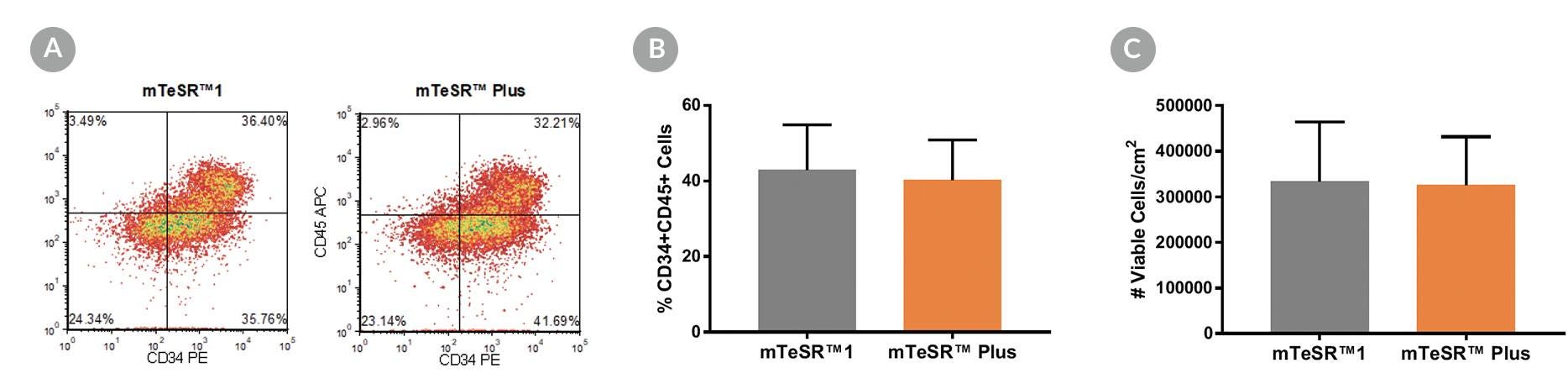
Density plots showing CD34+ and CD45+ expression and percentage of cells co-expressing CD34+ and CD45+ and graphs showing total number of viable cells harvested.

Figure 14. Generation of Hematopoietic Progenitor Cells from hPSCs Maintained in mTeSR™ Plus

Human ES (H1, H9) and iPS (STiPS-M001, WLS-1C) cell lines maintained in mTeSR™1 (daily feeds) or mTeSR™ Plus (restricted feeds) were differentiated to hematopoietic progenitor cells using the STEMdiff™ Hematopoietic Kit. At the end of the differentiation period, cells were harvested from the supernatant and analyzed by flow cytometry for co-expression of CD34+ and CD45+ . (A) Representative density plots showing CD34+ and CD45+ expression, (B) percentage of cells co-expressing CD34+ and CD45+ , and (C) total number of viable cells harvested are shown. Data are expressed as the mean (± SEM); n=4.

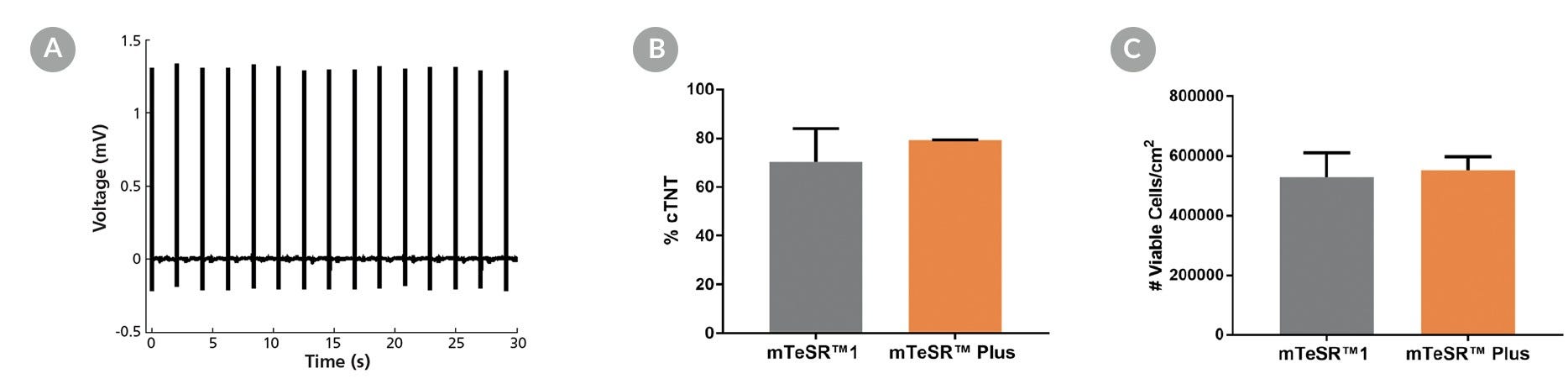
Microelectrode array and flow cytometry of human ES and iPS cells maintained in mTeSR™1 (daily feeds) or mTeSR™ Plus (restricted feeds) and differentiated to cardiomyocytes using the STEMdiff™ Cardiomyocyte Differentiation Kit.

Figure 15. Generation of Cardiomyocytes from hPSCs Maintained in mTeSR™ Plus

Human ES (H9) and iPS (WLS-1C) cells were maintained in mTeSR™1 (daily feeds) or mTeSR™ Plus (restricted feeds) and differentiated to cardiomyocytes using the STEMdiff™ Cardiomyocyte Differentiation Kit. At the end of the differentiation period, cells were harvested and analyzed by microelectrode array (MEA) and flow cytometry. (A) Representative MEA voltage recordings of cardiomyocytes (day 20) demonstrate a characteristic electrical profile and stable beat rate. (B) Percentages of cells expressing cTNT and (C) total number of viable cells harvested are shown. Data are expressed as the mean (± SEM); n=2.

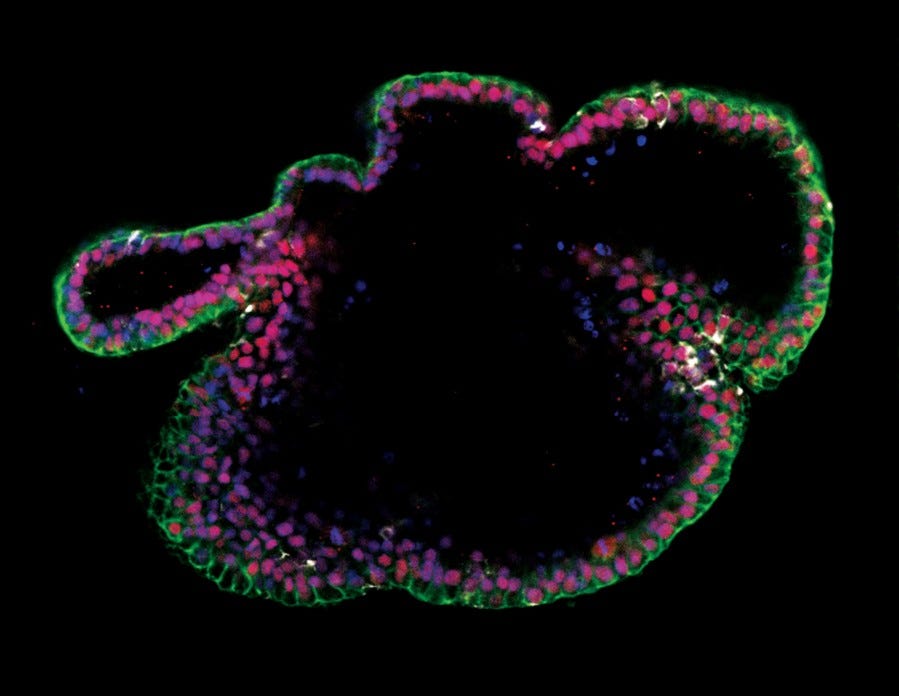
Immunocytochemistry image of an intestinal organoid cultured in mTeSR™ Plus and directed to intestinal organoids using the STEMdiff™ Intestinal Organoid Kit.

Figure 16. Generation of Intestinal Organoids from hPSCs Maintained in mTeSR™ Plus

Human ES (H9) cells were cultured with mTeSR™ Plus and directed to intestinal organoids using the STEMdiff™ Intestinal Organoid Kit. Image shows markers of the intestinal epithelium EpCAM (green) and CDX2 (red), and intestinal mesenchyme marker vimentin (white). Nuclei are counterstained with DAPI (blue).

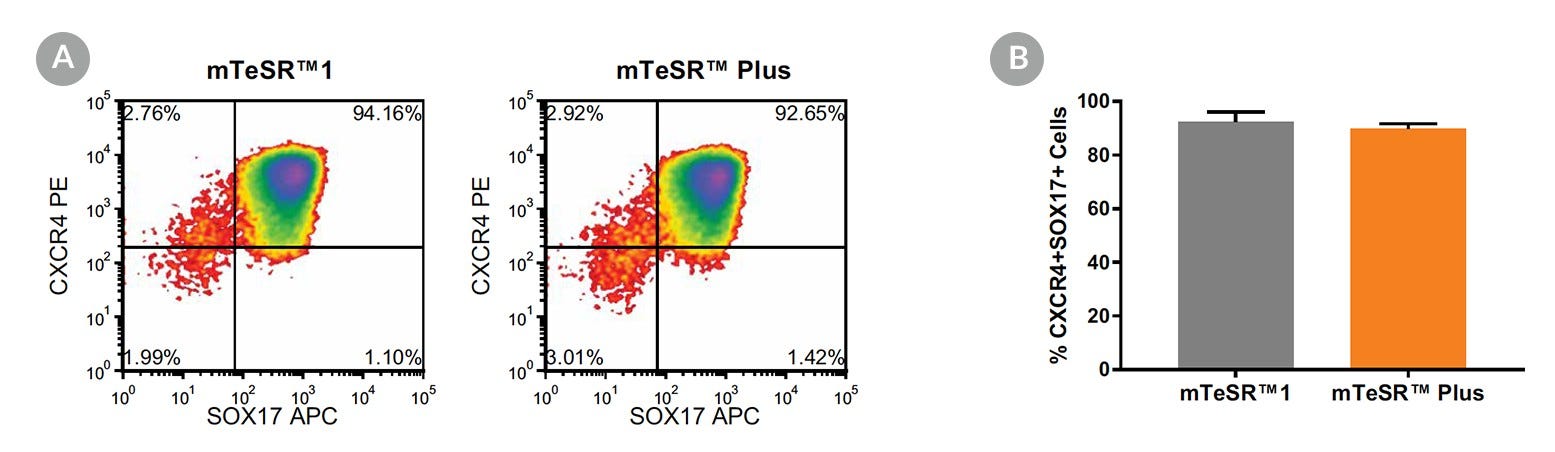
Density plots and quantitative analysis showing CXCR4 and SOX17 expression in cells cultured in mTeSR™1 (daily feeds) or mTeSR™ Plus (restricted feeds), following 5 days of differentiation using the STEMdiff™ Definitive Endoderm Kit.

Figure 17. Generation of Definitive Endoderm from hPSCs Maintained in mTeSR™ Plus

(A) Representative density plots showing CXCR4 and SOX17 expression in cells cultured in mTeSR™1 (daily feeds) or mTeSR™ Plus (restricted feeds), following 5 days of differentiation using the STEMdiff™ Definitive Endoderm Kit. (B) Quantitative analysis of definitive endoderm formation in multiple hPSC lines (H9, STiPS-M001, WLS-1C) maintained with mTeSR™1 or mTeSR™ Plus as measured by co-expression of CXCR4 and SOX17. Data are expressed as the mean percentage of cells (± SEM) expressing both markers; n=3.

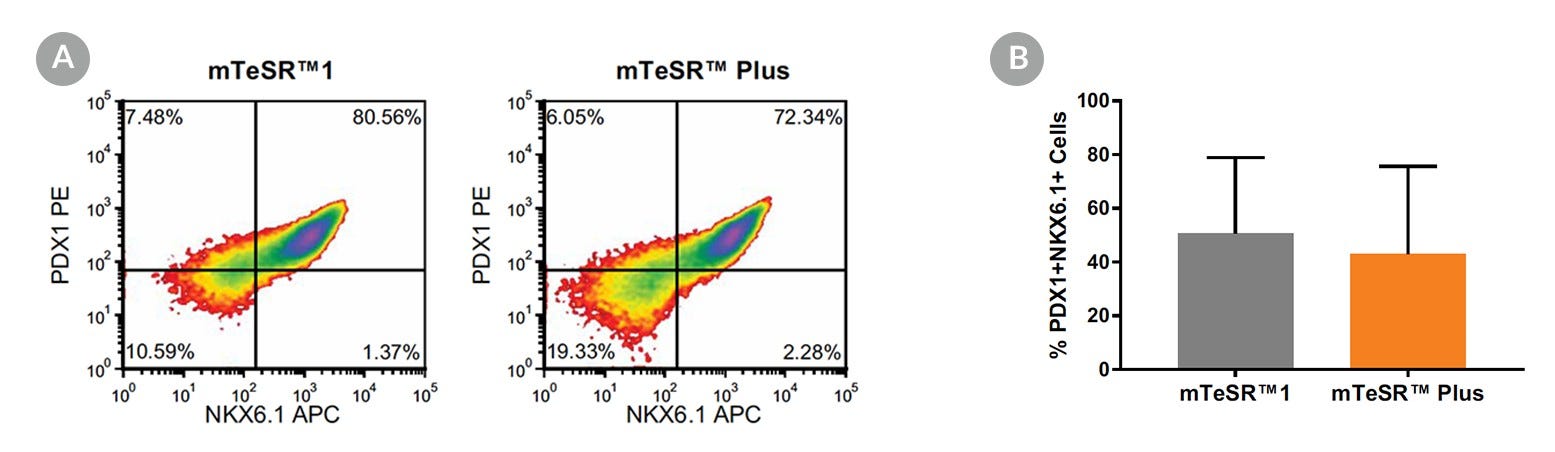
Density plots and quantitative analysis showing PDX-1 and NKX6.1 expression in cells cultured in mTeSR™1 or mTeSR™ Plus, following 5 days of differentiation using the STEMdiff™ Pancreatic Progenitor Kit.

Figure 18. Generation of Pancreatic Progenitors from hPSCs Maintained in mTeSR™ Plus

(A) Representative density plots showing PDX-1 and NKX6.1 expression in cells cultured in mTeSR™1 (daily feeds) or mTeSR™ Plus (restricted feeds), following differentiation using the STEMdiff™ Pancreatic Progenitor Kit. (B) Quantitative analysis of pancreatic progenitor formation in multiple hPS (H9, STiPS-M001, WLS-1C) cell lines maintained with mTeSR™1 or mTeSR™ Plus as measured by co-expression of PDX-1 and NKX6.1. Data are expressed as the mean percentage of cells (± SEM) expressing both markers; n=3.

Protocols and Documentation

Find supporting information and directions for use in the Product Information Sheet or explore additional protocols below.

Document Type
Product Name
Catalog #
Lot #
Language
Product Name
mTeSR™ Plus
Catalog #
100-0276, 100-1130
Lot #
All
Language
English
Document Type
Technical Manual
Product Name
mTeSR™ Plus
Catalog #
100-0276, 100-1130
Lot #
All
Language
English
Document Type
Safety Data Sheet 1
Product Name
mTeSR™ Plus
Catalog #
100-0276, 100-1130
Lot #
All
Language
English
Document Type
Safety Data Sheet 2
Product Name
mTeSR™ Plus
Catalog #
100-0276, 100-1130
Lot #
All
Language
English
Document Type
Safety Data Sheet 1
Product Name
mTeSR™ Plus
Catalog #
100-1130
Lot #
All
Language
English
The Certificate of Analysis for this product has been updated for newly released materials. To access respective CoAs please use this tool.

Applications

This product is designed for use in the following research area(s) as part of the highlighted workflow stage(s). Explore these workflows to learn more about the other products we offer to support each research area.

Resources and Publications

Educational Materials (56)

Publications (238)

A patient-specific engineered tissue model of BAG3-mediated cardiomyopathy M. A. J. Morsink et al. Journal of Tissue Engineering 2025 Sep

Abstract

Pathogenic mutations in Bcl2-associated athanogene 3 (BAG3) cause genetic dilated cardiomyopathy (DCM), a disease characterized by ventricular dilation, systolic dysfunction, and fibrosis. Previous studies have demonstrated that BAG3 mediates sarcomeric protein turnover through chaperone-assisted selective autophagy to maintain sarcomere integrity in the human heart. Although mouse models provide valuable insights into whole-organism effects of BAG3 knockout or pathogenic variants, their utility is limited by species-specific differences in pathophysiology, which often do not translate to humans and contribute to the failure of clinical trials. As a result, the development of induced pluripotent stem cell-derived cardiomyocytes (iCM) and engineered heart tissues presents a promising alternative for studying adult-onset cardiac diseases. Here, we used genome engineering to generate an isogenic pseudo-wild-type control cell line from a patient-derived iPSC line carrying a pathogenic BAG3 variant, clinically presenting with DCM. While monolayer iCMs recapitulated some features of BAG3-mediated DCM, such as reduced autophagy, mitochondrial membrane potential, and decreased HSPB8 stability, they failed to develop the age-associated impairment in sarcomere integrity. Therefore, we developed a mature, patient-specific, human engineered heart tissue model of BAG3-mediated DCM and compared it to its isogenic healthy control. We demonstrated successful recapitulation of adult-like features of the clinically observed disorganized sarcomeres and impaired tissue contractility, thereby providing a platform to investigate BAG3-related pathophysiology and therapeutic interventions. Graphical abstract
Dimethyl Sulfoxide Conditions Induced Pluripotent Stem Cells for more Efficient Nephron Progenitor and Kidney Organoid Differentiation H. Kearney et al. Stem Cell Reviews and Reports 2025 Sep

Abstract

The field of human induced pluripotent stem cells (hiPSCs) has seen significant progress since the discovery of reprogramming somatic cells using the transcription factors Oct4, Sox2, Klf4, and c-Myc. hiPSCs are similar to embryonic stem cells in a primed state of pluripotency and have the potential to differentiate into any adult human cell type, offering a versatile tool for research and potential therapeutic applications. However, the efficiency of differentiation protocols for generating complex structures with multiple cell types, Like kidney organoids, remains a challenge. This study investigates the impact of treating hiPSCs with a low-dose dimethyl sulfoxide to enhance kidney organoid differentiation using the stepwise 2D monolayer-based protocol developed by Morizane et al. 2017. We found that treating hiPSCs with 1–2% DMSO affects gene expression of pluripotent transcription factors, the epigenetic landscape, and hiPSC colony morphology. Our findings also suggest DMSO treatment enhances the expression of the key metanephric mesenchyme nephron progenitor marker, SIX2 after 9 days of kidney organoid differentiation and helps improve hiPSC differentiation protocol efficiency toward the development of tubular kidney organoids. Further research is needed to fully elucidate the mechanisms underlying these effects and refine the differentiation process for potential in vitro research applications in biomedical research and drug development.Graphical Abstract Supplementary InformationThe online version contains supplementary material available at 10.1007/s12015-025-10971-z.
Temporal transcriptomic profiling of human three-dimensional neuromuscular co-cultures N. J. Giridhar et al. Biology Open 2025 Sep

Abstract

The principal organization of mammalian neuromuscular junctions (NMJs) shares essential features across species. However, human NMJs (hNMJs) exhibit distinct structural and physiological properties. While recent advances in stem-cell-based systems have significantly improved in vitro modeling of hNMJs, the extent to which these models recapitulate in vivo development remains unclear. Here, we performed temporal transcriptomic analysis of human three-dimensional (3D) neuromuscular co-cultures, composed of iPSC-derived motoneurons and skeletal muscle engineered from primary myoblasts. We found that the expression pattern follows a temporally coordinated gene expression program underlying NMJ maturation. The model recapitulates transcriptional features of NMJ development, including early myoblast fusion and presynaptic development, followed by a late-stage upregulation of postsynaptic markers and embryonic AChR subunits. Importantly, comparable transcriptional dynamics across two independent hiPSC lines confirm the reproducibility and robustness of this system. This study confirms on a transcriptional level that human 3D neuromuscular co-cultures are a robust and physiologically relevant model for investigating hNMJ development and function.
Need a high-quality cell source? Choose from our hiPSC healthy control lines, manufactured with mTeSR™ Plus.