mTeSR™1

cGMP, feeder-free maintenance medium for human ES and iPS cells

Need a high-quality cell source? Choose from our hiPSC healthy control lines, manufactured with mTeSR™ Plus.

mTeSR™1

cGMP, feeder-free maintenance medium for human ES and iPS cells

From: 407 USD
Catalog #
(Select a product)
cGMP, feeder-free maintenance medium for human ES and iPS cells
Add to Wish List

What's Included

  • mTeSR™1 Complete Kit (Catalog #85850)
    • mTeSR™1 Basal Medium, 400 mL
    • mTeSR™1 5X Supplement, 100 mL
  • mTeSR™1 Complete Kit, 1 L (Catalog #85857)
    • mTeSR™1 Basal Medium, 800 mL
    • mTeSR™1 5X Supplement, 100 mL, 2 Bottles

What Our Scientist Says

It makes me proud knowing that my work is critical to keeping thousands of hPSC lines reliably healthy and consistent around the world.

Arwen HunterAssociate Director, Stem Cell Biology
Arwen Hunter, Associate Director, Stem Cell Biology

Overview

Use this specialized, feeder-free culture medium to achieve more consistent human pluripotent stem cell (hPSC) cultures with homogenous, undifferentiated phenotypes.

Manufactured under relevant cGMPs, mTeSR™1 ensures the highest quality and consistency for reproducible results in your fundamental research, as well as for cell therapy and investigational new drug research applications. This serum-free, complete cell culture medium is made with pre-screened raw materials to ensure batch-to-batch consistency and robust performance in feeder-free hPSC culture.

Use established protocols for applications ranging from derivation to differentiation with this most widely published feeder-free hPSC culture medium, which has been used by leading pluripotent stem cell researchers to successfully maintain thousands of hPSC lines in over 50 countries. For enhanced cell performance and versatile maintenance, you may also be interested in mTeSR™ Plus medium, which is also manufactured under relevant cGMPs and features stabilized components and enhanced buffering.

To request a Letter of Authorization (LOA) for the FDA Master File for mTeSR™1, click here.
Subtype
Specialized Media
Cell Type
Pluripotent Stem Cells
Species
Human
Application
Cell Culture, Expansion, Maintenance
Brand
TeSR
Area of Interest
Stem Cell Biology
Formulation Category
Serum-Free

Data Figures

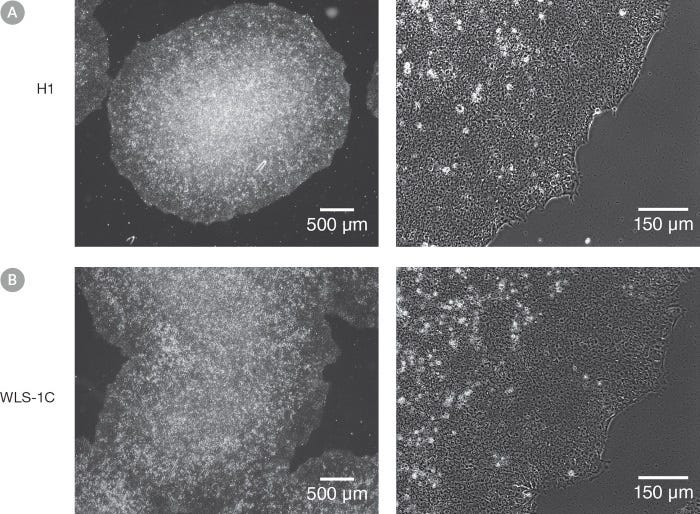
Figure 1. Normal hES and hiPS Cell Morphology is Observed in cGMP mTeSR™1 Cultures

Undifferentiated (A) H1 human embryonic stem (hES) and (B) WLS-1C human induced pluripotent stem (hiPS) cells cultured on Corning® Matrigel® Matrix in cGMP mTeSR™1 retain the prominent nucleoli and high nuclear-to-cytoplasmic ratio characteristic of this cell type after 10 passages. Densely packed cells and multi-layering are prominent when cells are ready to be passaged.

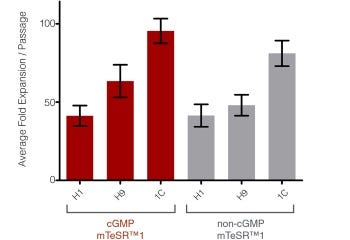
Figure 2. High Expansion Rates are Observed in cGMP mTeSR™1 Cultures

Graph shows the average fold expansion per passage +/- SEM obtained for hES (H1 and H9) and hiPS (WLS-1C) cells cultured in cGMP mTeSR­™1 (red) or non-cGMP mTeSR™1 (gray) on Corning® Matrigel® Matrix over 10 passages. Expansion was determined by enumerating the cell aggregates obtained at harvest and dividing by the number of cell aggregates seeded. Note that this data is representative of cultures passaged after 6-7 days in culture, lower expansion should be expected if using shorter culture times.

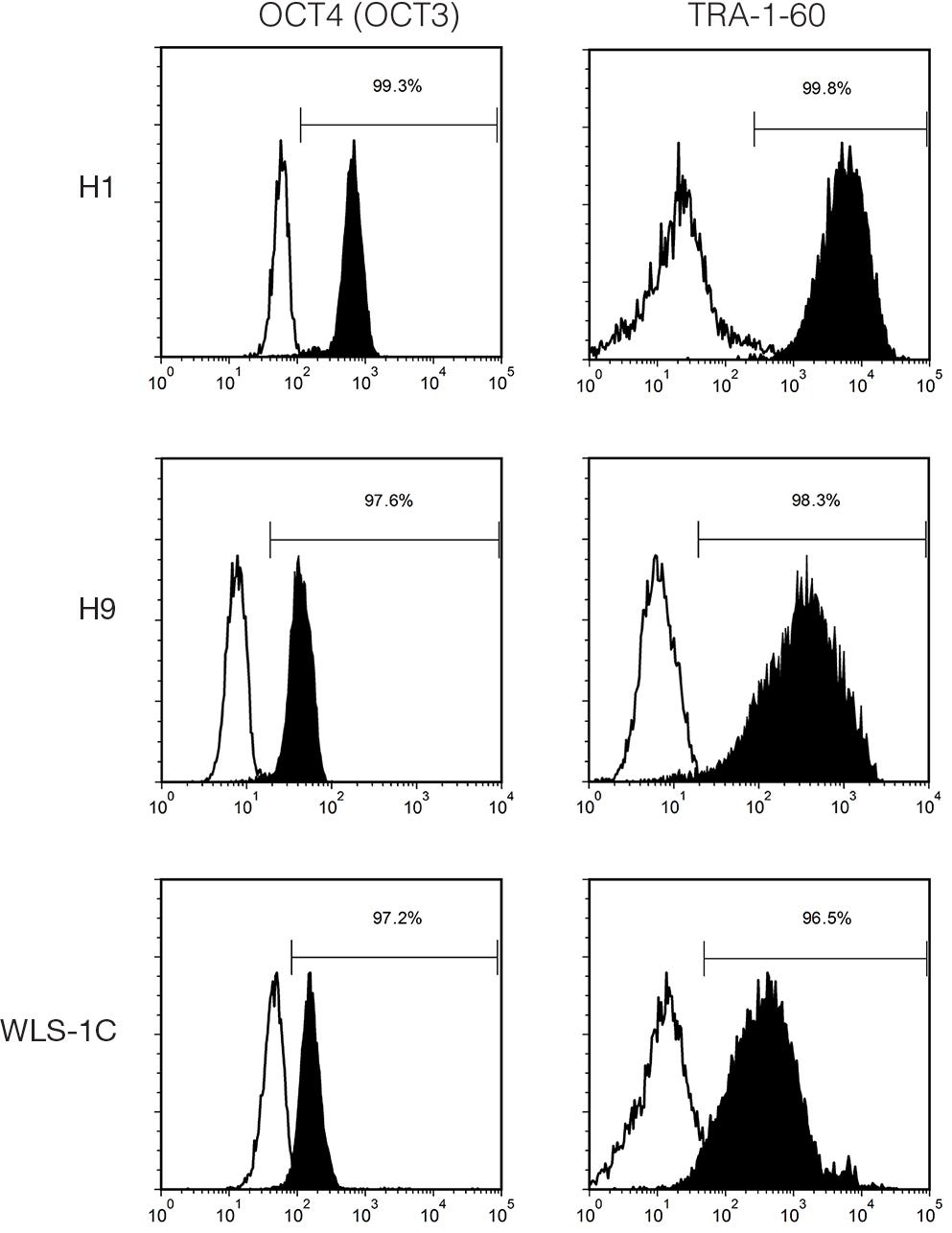
Figure 3. Cells Cultured in cGMP mTeSR™1 Medium Express Undifferentiated Cell Markers

Histogram analysis for hES (H1 and H9) and hiPS (WLS-1C) cells characterized using FACS for undifferentiated cell markers, OCT4 (OCT3) (Catalog #60093) and TRA-1-60 (Catalog #60064), after 8 - 10 passages in cGMP mTeSR™1 (filled = sample, blank = isotype control).

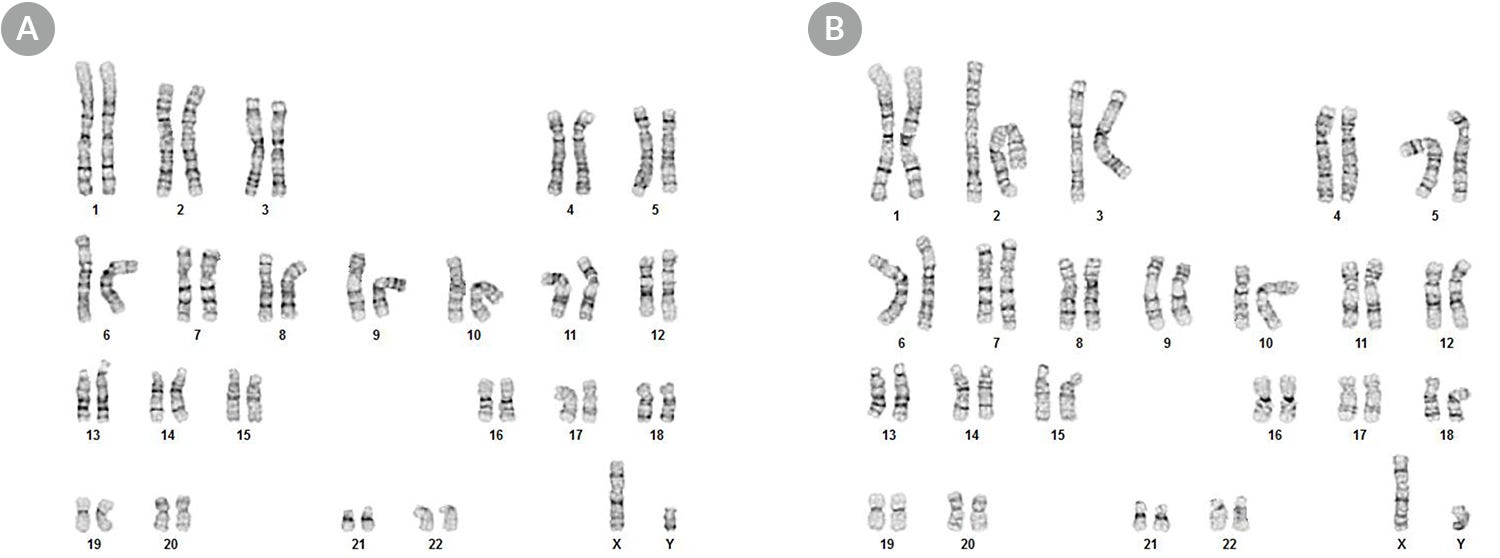
Figure 4. hPSCs Maintained in cGMP mTeSR™1 Display a Normal Karyotype

Karyograms of (A) H1 hES and (B) WLS-1C hiPS cells cultured in cGMP mTeSR™1 for 11 passages shows that a normal karyotype is retained.

Protocols and Documentation

Find supporting information and directions for use in the Product Information Sheet or explore additional protocols below.

Document Type
Product Name
Catalog #
Lot #
Language
Product Name
mTeSR™1
Catalog #
85857, 85850
Lot #
All
Language
English
Document Type
Technical Manual
Product Name
mTeSR™1
Catalog #
85850, 85857
Lot #
All
Language
English
Document Type
Safety Data Sheet 1
Product Name
mTeSR™1
Catalog #
85857, 85850
Lot #
All
Language
English
Document Type
Safety Data Sheet 2
Product Name
mTeSR™1
Catalog #
85857, 85850
Lot #
All
Language
English
Document Type
Safety Data Sheet 3
Product Name
mTeSR™1
Catalog #
85857, 85850
Lot #
All
Language
English
The Certificate of Analysis for this product has been updated for newly released materials. To access respective CoAs please use this tool.

Applications

This product is designed for use in the following research area(s) as part of the highlighted workflow stage(s). Explore these workflows to learn more about the other products we offer to support each research area.

Resources and Publications

Educational Materials (41)

Publications (1871)

Polygenic risk score of Alzheimer's disease is associated with cognitive trajectories and phenotypes of cerebral organoids M. Y. Chun et al. Alzheimer's & Dementia 2025 Sep

Abstract

INTRODUCTIONPolygenic risk score (PRS) identifies individuals at high genetic risk for Alzheimer's disease (AD), but its utility in predicting cognitive trajectories and AD pathologies remains unclear. We optimized PRS (optPRS) for AD, investigated its association with cognitive trajectories and AD phenotypes of cerebral organoids.METHODSUsing genome‐wide association study (GWAS) summary statistics from a European population, we developed optPRS to predict AD in Korean individuals (n = 1634). We analyzed the association between optPRS and cognitive trajectories (n = 771). We generated induced pluripotent stem cell–derived cerebral organoids from patients with high (n = 3) and low (n = 4) optPRS to evaluate amyloid beta (Aβ) and phosphorylated tau (p‐tau) levels.RESULTSOptPRS predicted AD dementia and Aβ positivity, independent of apolipoprotein E (APOE). Higher optPRSs correlated with rapid cognitive decline. Cerebral organoids from the high optPRS group exhibited increased Aβ insolubility and p‐tau levels.CONCLUSIONOptPRS predicted cognitive decline and AD phenotypes of cerebral organoids, supporting its use in risk assessments and drug‐screening platform.Highlights Optimized polygenic risk scores (optPRSs) improve the prediction of Alzheimer's disease (AD) dementia and amyloid beta positivity (Aβ+).High optPRS is associated with faster cognitive decline, particularly in Aβ+.Induced pluripotent stem cell (iPSC)–derived cerebral organoids from high optPRSs show high Aβ insolubility and phosphorylated tau (p‐tau).PRS genetic risk stratification provides insight into AD progression and pathology.
The hepatitis E virus capsid protein ORF2 counteracts cell-intrinsic antiviral responses to enable persistent replication in cell culture Mehnert et al. PLOS Pathogens 2025 Sep

Abstract

Hepatitis E virus (HEV) is a significant human pathogen causing both acute and chronic infections worldwide. The cell-intrinsic antiviral response serves as the initial defense against viruses and has been shown to be activated upon HEV infection. HEV can replicate in the presence of this response, but the underlying mechanisms remain poorly understood. Here, we investigated the roles of the structural proteins ORF2 and ORF3 in the cell-intrinsic antiviral response to HEV infection. Mechanistically, we validated that ectopic ORF2, but not ORF3, interfered with antiviral and inflammatory signaling downstream of pattern recognition receptors, in part through interaction with the central adaptor protein TANK binding kinase 1. In the full-length viral context, ORF2 contributed to a reduced antiviral response and consequently, more efficient viral replication. In addition, we discovered a protective mechanism mediated by ORF2 that shielded viral replication from antiviral effectors. Using single-cell RNA-sequencing, we confirmed that the presence of ORF2 in infected cells dampened antiviral responses in both actively infected cells and bystanders. As a consequence, we found that early in the infection process, the progression of authentic HEV infection relied on the presence of ORF2, facilitating a balance between viral replication and the antiviral response. Altogether, our findings shed new light on the multifaceted role of ORF2 in the HEV life cycle and improve our understanding of the determinants that contribute to persistent HEV replication in cell culture. Author summaryHepatitis E virus (HEV) is an important yet often underestimated pathogen. Depending on the genotype, HEV infections can progress to chronicity, but the underlying mechanisms remain poorly understood. To gain insight into potential determinants, we investigated how HEV evades the cell-intrinsic antiviral response. We discovered that the HEV capsid protein ORF2 is crucial in limiting this response by interfering with antiviral signaling pathways and shielding viral replication from immune effectors. This balance between viral replication and the antiviral response contributes to persistent HEV infection in cell culture. Our findings reveal a new role for the HEV capsid protein in the viral life cycle and highlight it as an important target for novel therapeutic approaches.
Optimizing recombinant mini proinsulin production via response surface method and microbioreactor screening E. Ayan et al. PLOS One 2025 Sep

Abstract

The increasing demand for efficient recombinant insulin production necessitates the development of scalable, high-yield, and cost-effective bioprocesses. In this study, we engineered a novel mini-proinsulin (nMPI) with enhanced expression properties by shortening the C-peptide and incorporating specific residue substitutions to eliminate the need for enzymatic cleavage. To optimize its production, we applied a hybrid approach combining microscale high-throughput cultivation using the BioLector microbioreactor and statistical modeling via response surface methodology (RSM). Critical medium components were first screened using Plackett–Burman Design (PBD) and refined through Central Composite Design (CDD), identifying glycerol as the most influential factor for yield. Among the four statistically derived formulations, Scenario III demonstrated the highest productivity in the microscale platform (13.00 g/L) and maintained strong performance upon scale-up to a 3-L bioreactor (11.5 g/L). The optimized medium balanced carbon and nitrogen sources to enhance cell viability and maximize protein expression. This study not only confirms the predictive accuracy and scalability of the hybrid optimization system but also introduces a robust production platform for nMPI that can be translated into industrial settings. The workflow presented here can serve as a model for the development of efficient expression systems for complex recombinant proteins in E. coli.
Need a high-quality cell source? Choose from our hiPSC healthy control lines, manufactured with mTeSR™ Plus.