Tips for Coating Plates with Matrigel® for Human Pluripotent Stem Cell Culture
Culturing and maintaining human ESCs and iPSCs with mTeSR™1 (Catalog #5850) or TeSR™2 (Catalog #05860) requires tissue culture plates coated with a matrix
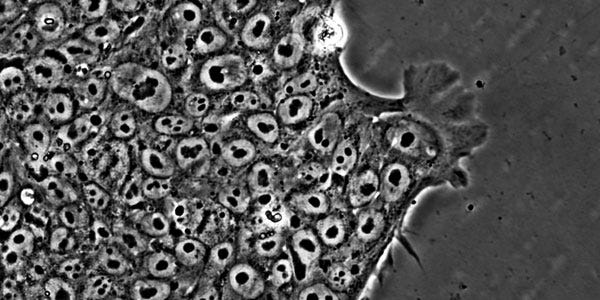
Culturing and maintaining human embryonic stem cells (hESCs) and human induced pluripotent stem cells (hiPSCs) with TeSR™ media requires the use of tissue culture plates coated with an appropriate extracellular matrix to support cell attachment, expansion, and maintenance of high-quality human pluripotent stem cell (hPSC) cultures.
Undefined basement membrane matrices such as Corning® Matrigel® hESC-Qualified Matrix (Corning Catalog #354277) and STEMmatrix BME™ (Catalog #200-0960) contain extracellular matrix proteins, including collagen IV, entactin, heparan sulfate proteoglycans, and laminin, as well as growth factors such as EGF, bFGF, IGF-1, TGF-β, and VEGF. Together, these components provide a supportive, physiologically relevant environment for hPSC growth and differentiation.
For feeder-free hPSC culture compatible with TeSR™ media, we recommend hPSC-qualified STEMmatrix BME™ (Catalog #200-0960), which has demonstrated comparable performance to Matrigel® (see the data here). For guidance on coating plates with STEMmatrix BME™, refer to this protocol.
For researchers using Matrigel®, the following tips provide recommendations for coating tissue culture plates.
How Should Matrigel® Be Diluted for hPSC Culture?
The diluting instructions for Matrigel® hESC-qualified Matrix are provided in the Product Insert. The dilution factor is calculated for each lot of Matrigel®, based on the protein concentration. Please refer to the lot-specific Certificate of Analysis, which can be requested on the Corning® website.
How Do You Ensure Even Matrigel® Coating?
It is important that each tissue culture plate is completely and evenly coated with Matrigel®. Cells will not attach properly where there is insufficient Matrigel® coating. One way to avoid uneven coating is to let the coated plates sit in a biological safety cabinet at room temperature for 1 hour with the lid on (to prevent dehydration). If you are in a rush, plates can be coated for 30 minutes in a 37 °C incubator instead. Make sure that the surface of the safety cabinet or incubator shelf is level (use a bubble level for confirmation) and avoid stacking the plates on top of each other.
How Long Can Matrigel®-Coated Plates Be Stored?
Coated plates can be stored at 2-8 °C for up to one week (sealed with Parafilm™ to prevent dehydration) before use. Make sure that the fridge shelf is level as well. We do not recommend using plates that have areas of uneven Matrigel® coating or plates where the Matrigel® has evaporated.
For further assistance and information, please contact techsupport@stemcell.com.
What Are Alternatives to Matrigel® for hPSC Culture?
STEMmatrix BME™, Vitronectin XF™ and CellAdhere™ Laminin-521 are effective alternatives to Corning® Matrigel® for the culture of human pluripotent stem cells in mTeSR™1, mTeSR™ Plus, or TeSR™-E8™. The appropriate matrix depends on whether the workflow requires an undefined basement membrane matrix, a defined matrix, or a xeno-free culture system.

STEMmatrix™ BME
Support feeder-free expansion and differentiation of hPSCs with STEMmatrix™ BME, a soluble, hPSC-qualified basement membrane matrix extracted from mouse Engelbreth-Holm-Swarm (EHS) sarcoma. Rich in key extracellular matrix proteins and essential growth factors, STEMmatrix™ BME closely mimics in vivo conditions to support robust cell growth. Use with TeSR™ family media to achieve high-quality hPSC cultures.
Vitronectin XF™
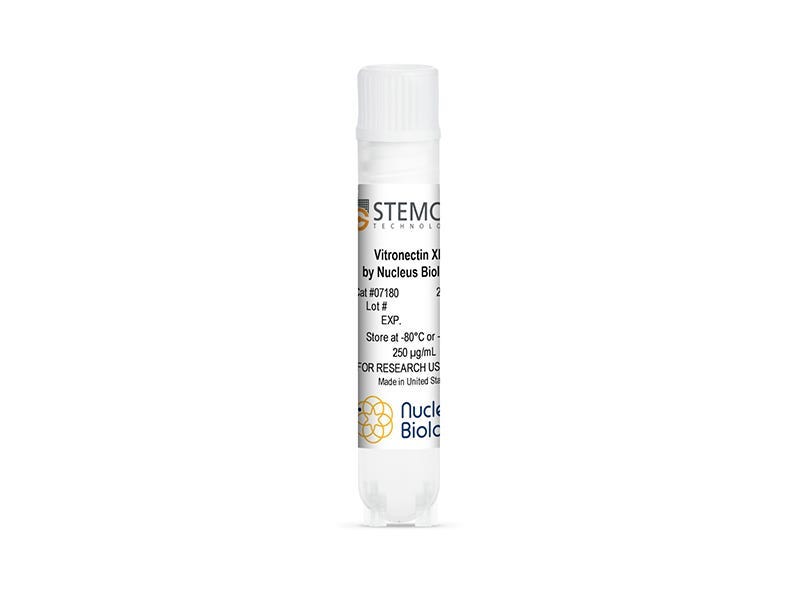
Support the maintenance and differentiation of hPSCs with Vitronectin XF™, a defined, xeno-free matrix. Use with any TeSR™ family medium to enable a fully defined, feeder-free culture system that supports consistent cell populations and reproducible results. Pair with TeSR™-E8™ or TeSR™-AOF for a completely xeno-free system.
CellAdhere™ Laminin-521
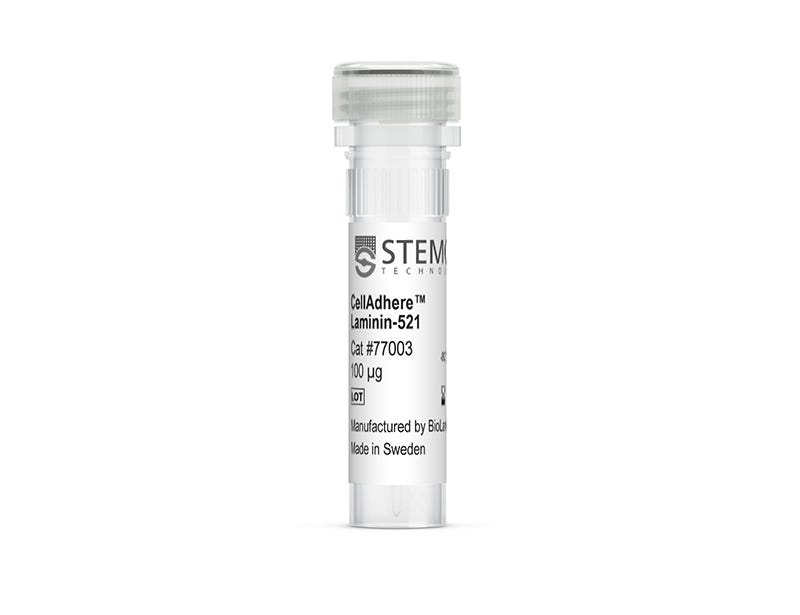
Achieve consistent hPSC populations and reliable downstream results with CellAdhere™ Laminin-521, a defined, xeno-free, and physiologically relevant matrix. Used with TeSR™ media, it supports long-term feeder-free maintenance of hPSCs. Compared to other matrices, Laminin-521 also promotes single-cell attachment and survival without requiring apoptotic inhibitors, making it ideal for use with eTeSR™.
Related Resources


Controlling the hPSC Culture System
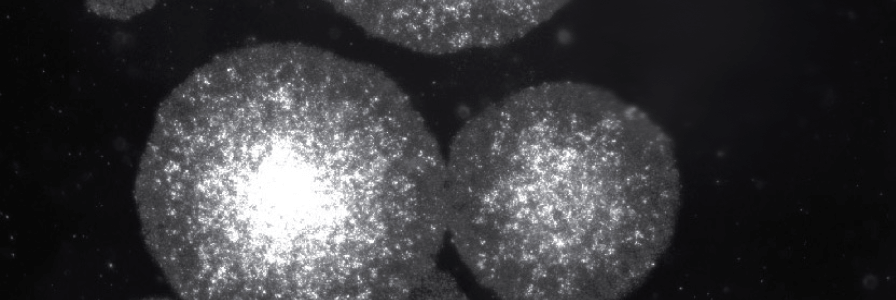
Reducing stressors and undefined components in culture is critical for the maintenance of high-quality hPSCs. Explore resources on feeder-free culture and handling techniques.
Request Pricing
Thank you for your interest in this product. Please provide us with your contact information and your local representative will contact you with a customized quote. Where appropriate, they can also assist you with a(n):
Estimated delivery time for your area
Product sample or exclusive offer
In-lab demonstration
This site is protected by reCAPTCHA and the Google Privacy Policy and Terms of Service apply.