
Cells of the Immune System
The immune system is comprised of many subsets of cells that work together to protect the host against infections and malignancies. Each one of these cells has a role to play. Research on how they work and their interactions with other subsets continues to reveal opportunities for novel therapeutic strategies.
Below is a collection of scientific resources for your immune cell research.
Fast and Easy Cell Isolation with EasySep™
EasySep™ is a fast and easy immunomagnetic cell separation technology that allows you to isolate virtually any cell types from a variety of sample sources in as little as 8 minutes. This video describes the EasySep™ technology.
View Now >Immunology is a diverse field of research. It includes many different immune cell types and ranges from basic cellular biology to therapeutic applications. Here we summarize advances in three areas of immunology research.
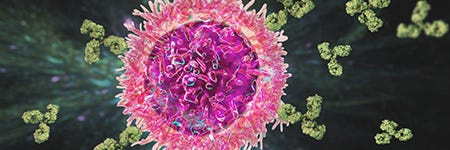
The Role of Memory B Cells in Infectious Diseases
B cells have an important and complex role in the immune response to infectious diseases, which poses a challenge to understanding infection risks and developing vaccines. In this review, we will focus on the complexity of memory B cells and their role in infectious diseases, and will highlight recent advancements in the field.
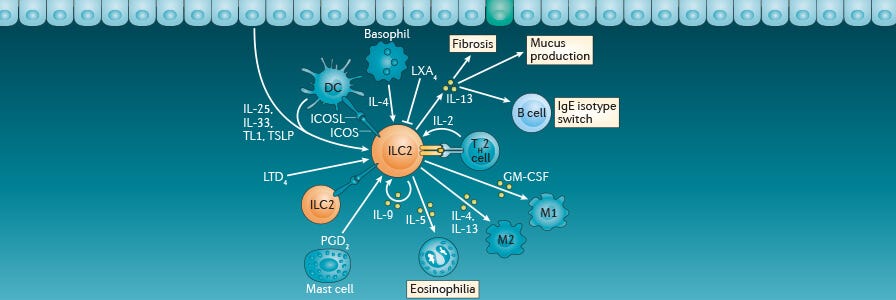
Group 2 Innate Lymphoid Cells (ILC2)
ILC2s are part of the larger ILC family that is divided into three major groups based on their surface markers, cytokine secretion and function. ILC2s serve crucial functions in many different tissues, but are especially enriched in barrier tissues, such as the lung, gut and skin.
Immune Cell Engineering
The ability to genetically modify immune cells provides a powerful tool for basic and clinical researchers. The discovery of CRISPR/Cas9, which allows for more targeted gene editing, has propelled this area of research to new heights.
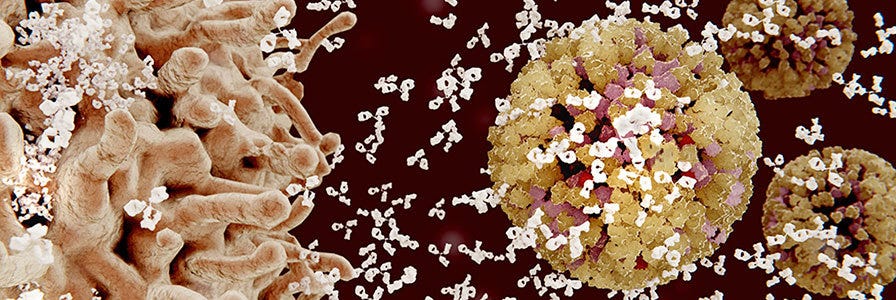
How to Obtain Human B Cells for Your Research
The in vitro culture and expansion of B cells is a useful tool for studying human immunity, B cell biology, vaccine and therapeutic antibody development, and for uncovering their potential use in cell therapies. In this overview, we will provide some tips and tricks on how best to obtain high yields of B cells for your research.
