EasySep™ Mouse Monocyte Isolation Kit

Immunomagnetic negative isolation of untouched mouse monocytes
Before performing cell isolation using EasySep™, consult the product information sheet (PIS) to determine whether red blood cell (RBC) lysis is required for your sample type. RBC lysis should only be performed if indicated in the PIS. It is often recommended for blood samples; however, RBC lysis is not recommended for mouse splenocytes as it may reduce cell recovery. The EasySep™ cell isolation process typically removes the majority of RBCs; if residual RBCs remain, RBC lysis can be performed after cell isolation. For the most accurate cell recovery calculation, we recommend performing a total nucleated cell (TNC) count.

See How to Calculate Cell Recovery & Measure Purity After Cell Isolation >

EasySep™ Mouse Monocyte Isolation Kit

Immunomagnetic negative isolation of untouched mouse monocytes

From: 845 USD
Catalog #
(Select a product)
Immunomagnetic negative isolation of untouched mouse monocytes
Add to Wish List

Product Advantages


  • Fast and easy-to-use

  • Up to 95% purity

  • No columns required

  • Untouched, viable cells

What's Included

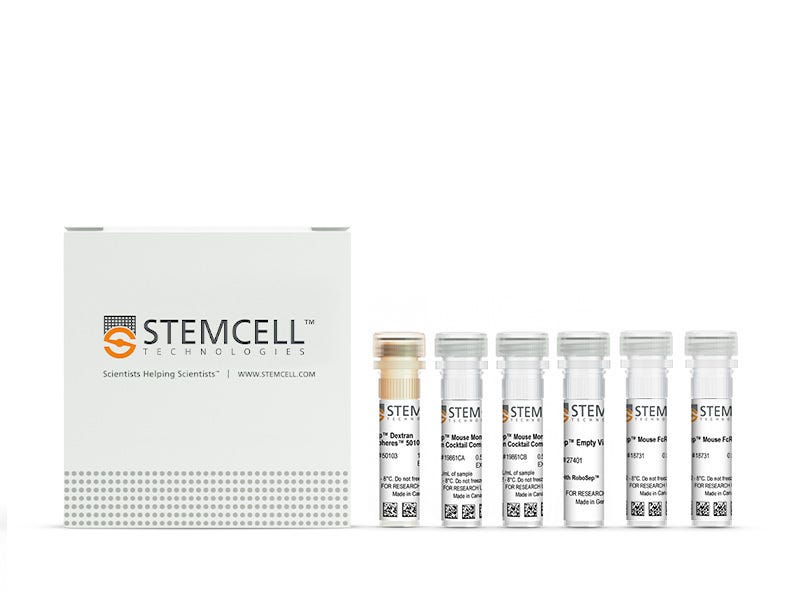
  • EasySep™ Mouse Monocyte Isolation Kit (Catalog #19861)
    • EasySep™ Mouse Monocyte Isolation Cocktail Component A, 0.5 mL
    • EasySep™ Mouse Monocyte Isolation Cocktail Component B, 0.5 mL
    • EasySep™ Dextran RapidSpheres™ 50103, 1 mL
    • EasySep™ Mouse FcR Blocker (Catalog #18731), 0.5 mL
  • RoboSep™ Mouse Monocyte Isolation Kit (Catalog #19861RF)
    • EasySep™ Mouse Monocyte Isolation Cocktail Component A, 0.5 mL
    • EasySep™ Mouse Monocyte Isolation Cocktail Component B, 0.5 mL
    • EasySep™ Dextran RapidSpheres™ 50103, 1 mL
    • EasySep™ Mouse FcR Blocker (Catalog #18731), 0.5 mL
    • RoboSep™ Empty Vial
    • RoboSep™ Buffer (Catalog #20104)
    • RoboSep™ Filter Tips (Catalog #20125)
Products for Your Protocol
To see all required products for your protocol, please consult the Protocols and Documentation.

Overview

Easily and efficiently isolate highly purified mouse monocytes from mouse bone marrow, splenocytes, whole blood, or other single-cell suspension samples by immunomagnetic negative selection, with the EasySep™ Mouse Monocyte Isolation Kit. Widely used in published research for more than 20 years, EasySep™ combines the specificity of monoclonal antibodies with the simplicity of a column-free magnetic system.

In this EasySep™ negative selection procedure, unwanted cells are labeled with antibody complexes and magnetic particles. The following unwanted cells are targeted for removal: granuloctyes, T cells, B cells, NK cells, hematopoietic progenitor cells, and erythroid cells. The magnetically labeled cells are then separated from the untouched desired monocytes by using an EasySep™ magnet and simply pouring or pipetting the desired cells into a new tube. Following magnetic cell isolation in as little as 15 minutes, the desired monocytes are ready for downstream applications such as flow cytometry, culture, or cell-based assays.

Learn more about how immunomagnetic EasySep™ technology works or how to fully automate immunomagnetic cell isolation with RoboSep™. Explore additional products optimized for your workflow, including culture media, supplements, antibodies, and more.
Magnet Compatibility
• EasySep™ Magnet (Catalog #18000)
• “The Big Easy” EasySep™ Magnet (Catalog #18001)
• EasyEights™ EasySep™ Magnet (Catalog #18103)
• EasyPlate™ EasySep™ Magnet (Catalog #18102)
• RoboSep™-S (Catalog #21000)
Subtype
Cell Isolation Kits
Cell Type
Monocytes, Myeloid Cells
Species
Mouse
Sample Source
Bone Marrow, Spleen, Whole Blood
Selection Method
Negative
Application
Cell Isolation
Brand
EasySep, RoboSep
Area of Interest
Immunology

Data Figures

Typical EasySep™ Mouse Monocyte Isolation Profile

Figure 1. Typical FACS Profiles for EasySep™ Mouse Monocyte Isolation Kit

Starting with mouse bone marrow cells, the monocyte content (Lineage- (CD3, CD45R, CD117, CD49b, Siglec F) CD11b+Ly6G- Ly6Chi/lo) of the isolated fraction is 89.5 ± 4.8% (mean ± SD), using the purple EasySep™ Magnet. In the above example, monocyte purities in the start and final isolated fractions are 7.1% and 92.3%, respectively.

Data for Anti-Mouse CD11b Antibody, Clone M1/70, Alexa Fluor® 488-Conjugated

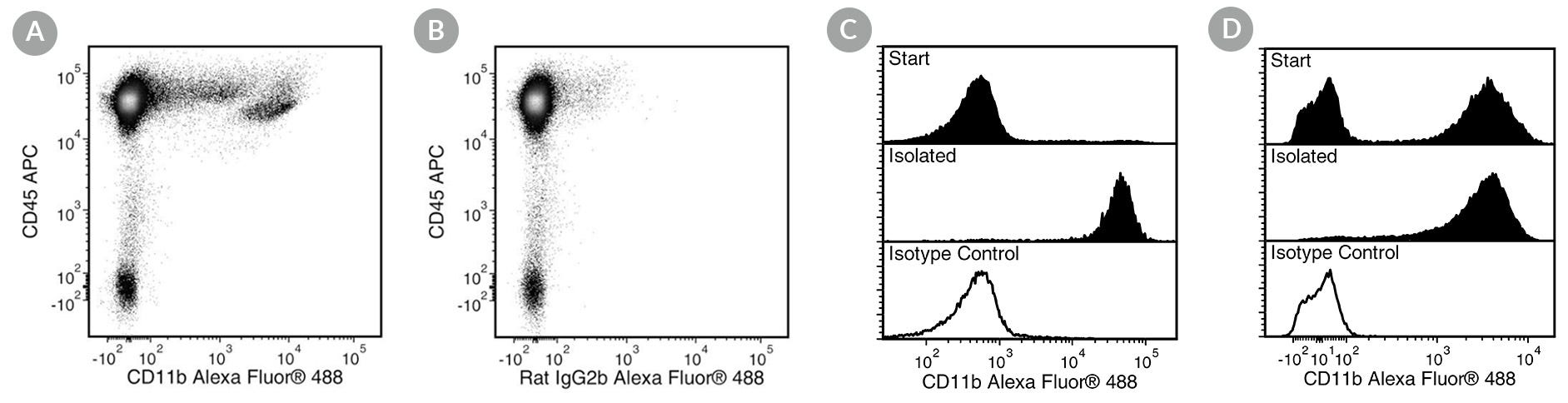
Figure 2. Data for Anti-Mouse CD11b Antibody, Clone M1/70, Alexa Fluor® 488-Conjugated

(A) Flow cytometry analysis of C57BL/6 mouse splenocytes labeled with Anti-Mouse CD11b Antibody, Clone M1/70, Alexa Fluor® 488 (Catalog #60001AD) and anti-mouse CD45 APC. (B) Flow cytometry analysis of C57BL/6 mouse splenocytes labeled with a rat IgG2b, kappa Alexa Fluor® 488 isotype control antibody and anti-mouse CD45 APC. (C) Flow cytometry analysis of C57BL/6 mouse splenocytes processed with the EasySep™ Mouse Monocyte Enrichment Kit (Catalog #19861) and labeled with Anti-Mouse CD11b Antibody, Clone M1/70, Alexa Fluor® 488 (Catalog #60001AD). Histograms show labeling of splenocytes (Start) and isolated cells (Isolated). Labeling of start cells with a rat IgG2b, kappa Alexa Fluor® 488 isotype control antibody is shown in the bottom panel (open histogram). (D) Flow cytometry analysis of C57BL/6 mouse bone marrow cells processed with the EasySep™ Mouse Monocyte Enrichment Kit (Catalog #19861) and labeled with Anti-Mouse CD11b Antibody, Clone M1/70, Alexa Fluor® 488 (Catalog #60001AD). Histograms show labeling of bone marrow cells (Start) and isolated cells (Isolated). Labeling of start cells with a rat IgG2b, kappa Alexa Fluor® 488 isotype control antibody is shown in the bottom panel (open histogram).

Cell Isolation Protocol Lengths

Figure 3. Cell Isolation Protocol Lengths

Typical time taken (in minutes) to isolate cells using select EasySep™ kits.

Protocols and Documentation

Find supporting information and directions for use in the Product Information Sheet or explore additional protocols below.

Document Type
Product Name
Catalog #
Lot #
Language
Catalog #
19861
Lot #
1000141232 or higher
Language
English
Catalog #
19861RF
Lot #
1000141232 or higher
Language
English
Document Type
Safety Data Sheet 1
Catalog #
19861
Lot #
All
Language
English
Document Type
Safety Data Sheet 2
Catalog #
19861
Lot #
All
Language
English
Document Type
Safety Data Sheet 3
Catalog #
19861
Lot #
All
Language
English
Document Type
Safety Data Sheet 4
Catalog #
19861
Lot #
All
Language
English
Document Type
Safety Data Sheet 1
Catalog #
19861RF
Lot #
All
Language
English
Document Type
Safety Data Sheet 2
Catalog #
19861RF
Lot #
All
Language
English
Document Type
Safety Data Sheet 3
Catalog #
19861RF
Lot #
All
Language
English
Document Type
Safety Data Sheet 4
Catalog #
19861RF
Lot #
All
Language
English
Document Type
Safety Data Sheet 5
Catalog #
19861RF
Lot #
All
Language
English

Applications

This product is designed for use in the following research area(s) as part of the highlighted workflow stage(s). Explore these workflows to learn more about the other products we offer to support each research area.

Resources and Publications

Publications (30)

KDM6B inhibition modulates monocyte activation and alleviates IMQ-induced psoriasis-like skin inflammation. A. Damara et al. Cell communication and signaling : CCS 2026 Sep

Abstract

BACKGROUND: Inflammatory monocytes are increasingly recognized as key amplifiers of psoriasis, yet the epigenetic drivers of their pathogenic signature remain unclear. The mechanisms linking epigenetic regulation to metabolic reprogramming in monocyte-driven inflammation in psoriasis are poorly defined. METHODS: We examined the expression and activity of the histone demethylase KDM6B in classical monocytes in the imiquimod (IMQ)-induced psoriasis model. Epigenetic changes were assessed by measuring H3K27me3 levels at inflammatory and metabolic gene promoters. Pharmacological inhibition of KDM6-family H3K27 demethylase activity after disease onset was performed using GSK-J4, a cell-permeable prodrug that is intracellularly converted to the active inhibitor GSK-J1. In parallel, inflammatory and metabolic transcriptional programs, bioenergetic profiles, immune cell recruitment to inflamed skin, and single-cell transcriptomic changes in myeloid populations were analyzed. RESULTS: KDM6B expression and KDM6A/B demethylase activity were increased in classical monocytes during IMQ-induced psoriasis-like inflammation. This was associated with reduced levels of the repressive histone mark H3K27me3, an epigenetic modification linked to chromatin compaction and transcriptional silencing, at the Il1b, Tnf, Pgam1, Pgk1, and Aldoa promoters, together with an enhanced inflammatory and glycolytic gene signature. GSK-J4 treatment after disease onset restored H3K27me3 at inflammatory and metabolic loci, suppressed Il1b and Tnf transcription, normalized bioenergetic profiles, and reduced monocyte and neutrophil recruitment to inflamed skin. Single-cell transcriptomic profiling further revealed that GSK-J4 treatment was associated with reduced cytokine-mediated signaling, glycolysis, and chemotaxis pathways in monocytes, while enriching antigen presentation modules, consistent with a shift toward a homeostatic, antigen-presenting surveillance program in myeloid cells and a regulatory T cell (Treg)-supportive milieu. CONCLUSIONS: Collectively, our data identify KDM6B-associated epigenetic-metabolic remodeling as a component of inflammatory monocyte activation in IMQ-induced psoriasis-like inflammation. GSK-J4 treatment attenuated ongoing inflammation when initiated after disease onset. These findings support further investigation of KDM6-family demethylases as therapeutic targets in psoriasis-like inflammation.
Enhanced resistance to Listeria infection in mice surviving sepsis: the role of lipid metabolism and myeloid cell reprogramming Frontiers in Pharmacology 2025 May

Abstract

IntroductionImmune resilience is the capacity of the immune system to recover from sepsis-induced organ injury and reestablish host defense. While sepsis survivors are often viewed as immunocompromised, recent studies suggest that some may acquire adaptive immune traits that enhance resistance to secondary infections.MethodsWe employed a murine cecal ligation and puncture (CLP) model to study polymicrobial sepsis and subsequent immune responses. Listeria monocytogenes was used as a model intracellular pathogen to assess immune protection. We analyzed myeloid cell phenotypes using single-cell RNA sequencing and evaluated lipid metabolic changes through quantitative RT-PCR, immunohistochemistry, serum cytokine assays, and plasma lipidomics.ResultsSepsis-surviving mice showed enhanced resistance to Listeria infection. Single-cell RNA sequencing revealed transcriptional reprogramming in splenic CD11b+Ly6Chigh myeloid cells, including downregulation of lipoprotein lipase and lipid efflux genes. CD11b+ myeloid cells exhibited increased lipid droplet accumulation, accompanied by elevated serum interferon-gamma (IFN-γ) levels. Plasma lipidomics identified systemic lipid remodeling, with increased phosphatidylserine and decreased phosphatidylinositol and phosphatidylglycerol levels.DiscussionOur findings suggest that sepsis survival induces lipid metabolic reprogramming in myeloid cells, contributing to enhanced immunity against intracellular pathogens. These insights reveal potential therapeutic targets within lipid metabolic pathways to improve host defense in sepsis survivors.
H3K27me3 modulates trained immunity of monocytes in HDM-allergic diseases Frontiers in Immunology 2025 May

Abstract

BackgroundMonocytes have been confirmed to increase in persistently food-allergic children. A phenomenon of innate immune memory, called trained immunity, has also been observed in monocytes from allergic children. However, the underlying mechanism remains poorly understood.MethodsWe enrolled a cohort of HDM-allergic children alongside age-matched healthy controls and established an HDM-sensitized allergic mouse model. Flow cytometric analyses were conducted to quantify monocyte frequencies in clinical cohorts and experimental animals. We performed integrated transcriptomic profiling via RNA-seq combined with chromatin occupancy analysis using CUT&Tag technology in parallel human and murine samples to elucidate the molecular mechanisms.ResultsIn our study, we demonstrated a reduced H3K27me3 methylation level accompanied by an increased proportion and a proinflammatory transcriptional memory in monocytes from house dust mite (HDM)-allergic human subjects. The same transcriptional and epigenetic phenotype was also confirmed in HDM-sensitized mice. Finally, the administration of GSK-J4, which upregulates H3K27me3 level in murine monocytes, attenuated the inflammatory response in vitro and in vivo.ConclusionsOur study confirms that H3K27me3 methylation modulates the trained immunity in monocytes and regulates HDM-allergic diseases through an inflammatory-dependent mechanism.
Before performing cell isolation using EasySep™, consult the product information sheet (PIS) to determine whether red blood cell (RBC) lysis is required for your sample type. RBC lysis should only be performed if indicated in the PIS. It is often recommended for blood samples; however, RBC lysis is not recommended for mouse splenocytes as it may reduce cell recovery. The EasySep™ cell isolation process typically removes the majority of RBCs; if residual RBCs remain, RBC lysis can be performed after cell isolation. For the most accurate cell recovery calculation, we recommend performing a total nucleated cell (TNC) count.

See How to Calculate Cell Recovery & Measure Purity After Cell Isolation >