
Enhancing Genetic Stability in Human Pluripotent Stem Cells Maintained As Single Cells: Introducing eTeSR™
In this Innovation Showcase talk from ISSCR 2023, Dr. Adam Hirst, one of STEMCELL’s Senior Scientists, introduces eTeSR™, a novel hPSC maintenance medium developed specifically to maintain cell quality when passaging hPSCs as single cells.
Genetic instability in human pluripotent stem cells (hPSCs) can be exacerbated by prolonged in vitro culture or cellular stress, including the use of routine single-cell passaging. However, single-cell passaging may be required for obtaining higher-density cultures, or compatibility with single cell workflows.
In this Innovation Showcase talk from ISSCR 2023, one of STEMCELL’s Senior Scientists, Dr. Adam Hirst, introduces eTeSR™, a novel hPSC maintenance medium developed specifically to maintain cell quality when passaging hPSCs as single cells. The formulation is optimized to support hPSC expansion while reducing cellular stress. When tested against other commercially available media, hPSCs routinely maintained as single cells in eTeSR™ demonstrate higher genetic stability.
As a sponsor of, and participant in, ISSCR’s 2023 Annual Meeting, we share with you our Innovation Showcase presentation at #ISSCR2023. This presentation does not represent an endorsement from or support of the ISSCR.
In this Innovation Showcase talk from ISSCR 2023, one of STEMCELL’s Senior Scientists, Dr. Adam Hirst, introduces eTeSR™, a novel hPSC maintenance medium developed specifically to maintain cell quality when passaging hPSCs as single cells. The formulation is optimized to support hPSC expansion while reducing cellular stress. When tested against other commercially available media, hPSCs routinely maintained as single cells in eTeSR™ demonstrate higher genetic stability.
As a sponsor of, and participant in, ISSCR’s 2023 Annual Meeting, we share with you our Innovation Showcase presentation at #ISSCR2023. This presentation does not represent an endorsement from or support of the ISSCR.
Publish Date:
July 31, 2023
Request Pricing
Thank you for your interest in this product. Please provide us with your contact information and your local representative will contact you with a customized quote. Where appropriate, they can also assist you with a(n):
Estimated delivery time for your area
Product sample or exclusive offer
In-lab demonstration
By submitting this form, you are providing your consent to STEMCELL Technologies Canada Inc. and its subsidiaries and affiliates (“STEMCELL”) to collect and use your information, and send you newsletters and emails in accordance with our privacy policy. Please contact us with any questions that you may have. You can unsubscribe or change your email preferences at any time.
Related Multimedia
-
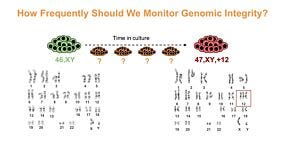
Maintaining and Assessing High-Quality hPSC Cultures
Publish Date: March 12, 2018 -
Survey Results: Insights and Trends in Pluripotent Stem Cell Research
Publish Date: November 26, 2020 -
Facilitating hPSC Single Cell Seeding Workflows Using CloneR™2
Publish Date: October 05, 2021

Explore Our Products
-
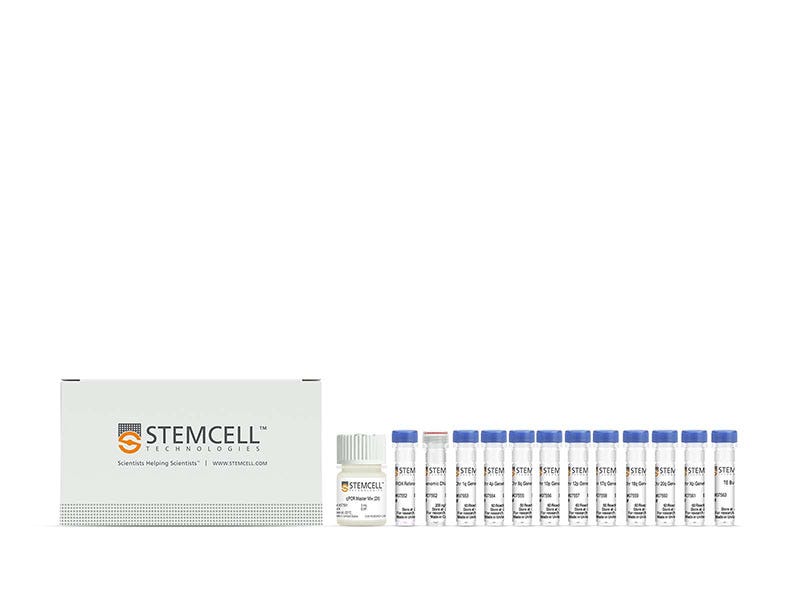 qPCR analysis kit for detecting the majority of karyotypic abnormalities reported in human ES and iPS cells
 -
 Defined supplement for improving survival of human ES and iPS cells in single-cell workflows
