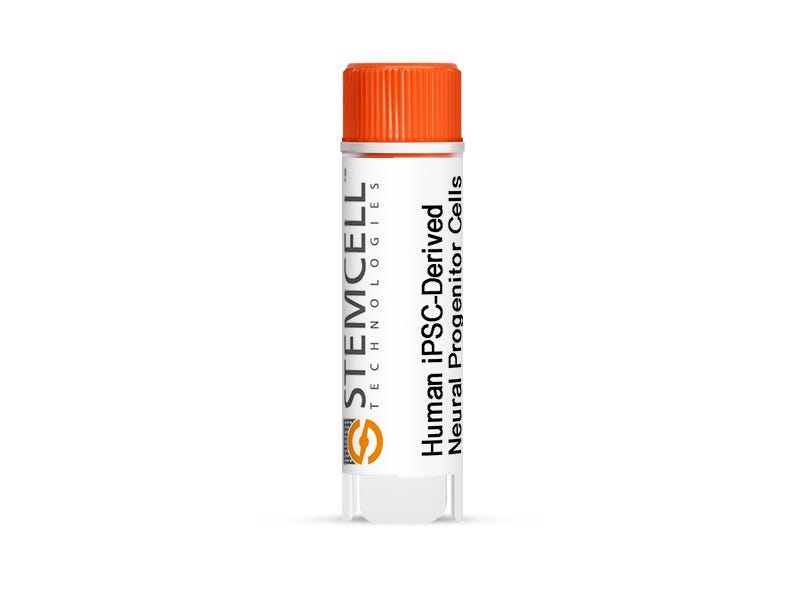
Human iPSC-Derived Neural Progenitor Cells
Frozen human neural progenitor cells differentiated from the human induced pluripotent stem cell line, SCTi003-A
Request Pricing
Thank you for your interest in this product. Please provide us with your contact information and your local representative will contact you with a customized quote. Where appropriate, they can also assist you with a(n):
Estimated delivery time for your area
Product sample or exclusive offer
In-lab demonstration
This site is protected by reCAPTCHA and the Google Privacy Policy and Terms of Service apply.
-
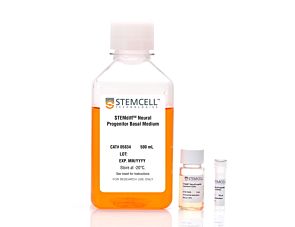
STEMdiff™ Neural Progenitor MediumMedium for maintenance and expansion of neural progenitor cells derived from human ES and iPS cells
-
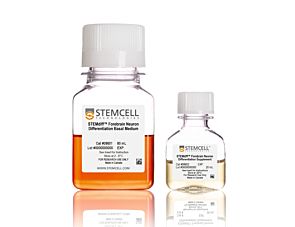
STEMdiff™ Forebrain Neuron Differentiation ...Differentiation kit for the generation of neuronal precursors from human pluripotent stem cell-derived neural progenitor cells
-
STEMdiff™ Astrocyte Differentiation KitSerum-free differentiation kit for generating astrocyte precursors from hPSC-derived neural progenitor cells
-
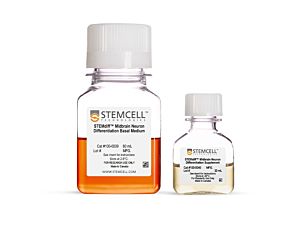
STEMdiff™ Midbrain Neuron Differentiation K...Differentiation kit for the generation of midbrain-patterned neuronal precursors from human ES and iPS cell-derived neural progenitor cells
-
Labeling Antibodies
Compatible antibodies for purity assessment of isolated cells
Overview
To ensure high-quality cells, these NPCs were differentiated from the robust, extensively tested SCTi003-A line using serum-free STEMdiff™ SMADi Neural Induction Kit. NPCs can be expanded using STEMdiff™ Neural Progenitor Medium, allowing for scale-up and reducing the cost of workflows that require large numbers of cells. Cryopreserve expanded NPCs using STEMdiff™ Neural Progenitor Freezing Medium for flexibility in your experimental schedule.
This research-use-only (RUO) product has been consented for both academic and commercial use. Blood samples are ethically sourced using Institutional Review Board (IRB) or other regulatory authority-approved consent forms and protocols. For donor details and cell quality characterization of the source cell banks, refer to the data figures on this page. SCTi003-A is derived from an αβ T cell and has undergone VDJ sequence rearrangement. It is karyotypically stable, demonstrates trilineage differentiation potential, expresses undifferentiated cell markers, and was reprogrammed using a non-integrating reprogramming technology. Registration with hPSCreg® ensures ethical and biological conformity based on community standards. For additional details, refer to the lot-specific Certificate of Analysis and Frequently Asked Questions about iPSC lines.
Data Figures
Figure 1. Human iPSC-Derived Neural Progenitor Cells Exhibit High-Quality Morphology Characteristic of Multipotent Central Nervous System Progenitor Cells
Cryopreserved Human iPSC-Derived Neural Progenitor Cells were thawed and plated onto Corning® Matrigel®-coated plates at 200,000 cells/cm². NPCs were incubated for 24 hours in STEMdiff™ Neural Progenitor Medium at 37℃ and subsequently analyzed by brightfield microscopy. NPCs display the small, teardrop-shaped morphology expected for NPCs. (A) 4X magnification, (B) 10X magnification. iPSC = induced pluripotent stem cell; NPCs = neural progenitor cells.
Figure 2. Human iPSC-Derived Neural Progenitor Cells Express Characteristic Markers
Human iPSC-Derived Neural Progenitor Cells generated from SCTi003-A iPSCs were thawed, established in culture, and fixed for immunocytochemistry. The NPCs express neural progenitor markers (A) SOX1 and (B) PAX6 with low expression of (C) βIII-TUB. (D) In addition, they display the expected small, teardrop-shaped morphology. (E) The percentage expression of these markers were quantified. Neural progenitor markers PAX6 and SOX1 were found to be expressed in 90% of NPCs, while mature neuronal marker βIII-TUB was expressed in less than 10% of NPCs. Error bars represent standard deviation (n = 2 biological replicates). iPSC = induced pluripotent stem cell; NPCs = neural progenitor cells.
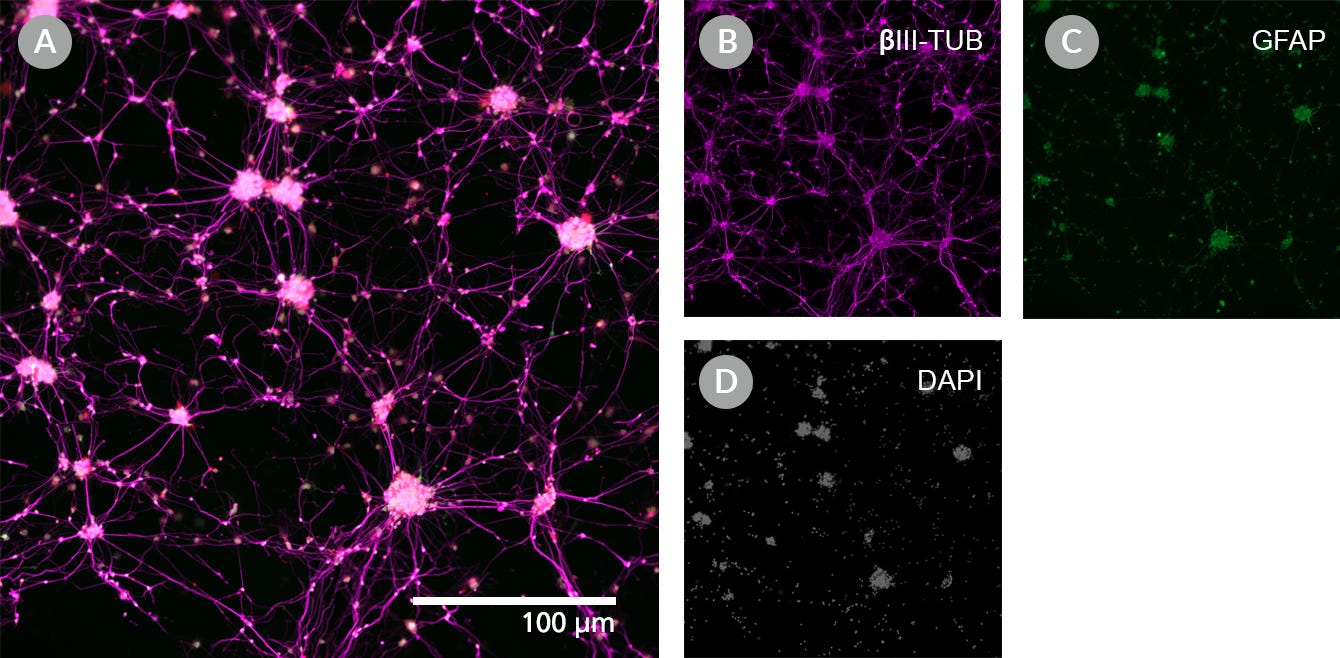
Figure 3. Human iPSC-Derived Neural Progenitor Cells Can Effectively Differentiate into Forebrain Neurons
Forebrain neurons were generated from Human iPSC-Derived Neural Progenitor Cells using STEMdiff™ Forebrain Neuron Differentiation Medium. NPCs were cultured for six days at 37℃ in STEMdiff™ Forebrain Neuron Differentiation Medium. Cells were subsequently cultured in STEMdiff™ Forebrain Neuron Maturation medium for 14 days. Resulting cells were processed for immunocytochemistry. (A) The resulting forebrain neuron cultures contain a population of cells expressing (B) neuronal identity marker βIII-TUB (magenta), (C) but not astrocyte marker GFAP (green). (D) Nuclei are labeled with DAPI (gray). iPSC = induced pluripotent stem cell; NPCs = neural progenitor cells.
Figure 4. Human iPSC-Derived Neural Progenitor Cells Can Effectively Differentiate into Midbrain Neurons
Midbrain neurons were generated from Human iPSC-Derived Neural Progenitor Cells using STEMdiff™ Midbrain Neuron Differentiation Medium. NPCs were cultured for six days at 37℃ in STEMdiff™ Midbrain Neuron Differentiation Medium. Cells were subsequently cultured in STEMdiff™ Midbrain Neuron Maturation medium for 14 days. Resulting cells were processed for immunocytochemistry. (A) The resulting midbrain neuron cultures contain a population of cells expressing (B) neuronal identity marker βIII-TUB (red) and (C) dopaminergic neuron marker TH (green), (D) but not astrocyte marker GFAP (magenta). (D) Nuclei are labeled with DAPI (blue). iPSC = induced pluripotent stem cell; NPCs = neural progenitor cells.
Figure 5. Human iPSC-Derived Neural Progenitor Cells Can Effectively Differentiate into Astrocytes
Astrocytes were generated from Human iPSC-Derived Neural Progenitor Cells using STEMdiff™ Astrocyte Differentiation Medium. NPCs were cultured for 21 days at 37℃ in STEMdiff™ Astrocyte Differentiation Medium. Cells were subsequently cultured in STEMdiff™ Astrocyte Maturation medium for seven days. Resulting cells were processed for immunocytochemistry. (A) The resulting astrocyte cultures contain a population of cells expressing (B) astrocyte marker S100β (green) and (C) GFAP (red), but not neuronal marker DCX (magenta). Nuclei are labeled with DAPI (blue). iPSC = induced pluripotent stem cell; NPCs = neural progenitor cells.
Figure 6. Human iPSC-Derived Neural Progenitor Cells Can Be Expanded for Multiple Passages
Human iPSC-Derived Neural Progenitor Cells were thawed and maintained in STEMdiff™ Neural Progenitor Medium at 37℃ and passaged roughly once every seven days for a total of five weeks. The average fold increase of NPCs was 2.8 ± 0.5 (mean ± SEM) per passage, demonstrating cells can be effectively expanded.
Protocols and Documentation
Find supporting information and directions for use in the Product Information Sheet or explore additional protocols below.
Applications
This product is designed for use in the following research area(s) as part of the highlighted workflow stage(s). Explore these workflows to learn more about the other products we offer to support each research area.
Resources and Publications
Educational Materials (13)
Related Products
-
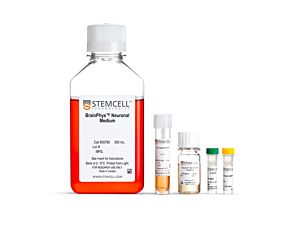
BrainPhys™ hPSC Neuron KitKit for serum-free culture and differentiation of ES/iPS cell-derived neurons in BrainPhys™ Neuronal Medium
-
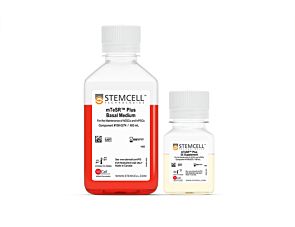
mTeSR™ PluscGMP, stabilized feeder-free maintenance medium for human ES and iPS cells
-
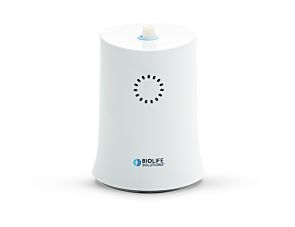
ThawSTAR® CFT2 Automated Thawing SystemAutomated cell thawing system for consistent thawing performance
-
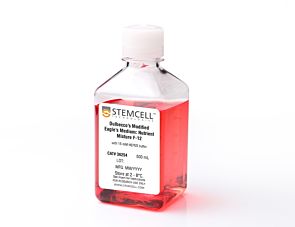
DMEM/F-12 with 15 mM HEPESDulbecco's Modified Eagle's Medium/Nutrient Ham's Mixture F-12 (DMEM/F-12) with 15 mM HEPES buffer
-
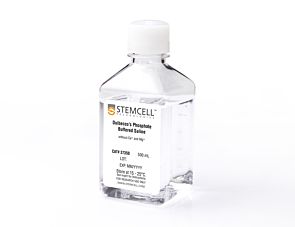
D-PBS (Without Ca++ and Mg++)Dulbecco’s phosphate-buffered saline without calcium and magnesium
-
Y-27632 (Dihydrochloride)RHO/ROCK pathway inhibitor; Inhibits ROCK1 and ROCK2
Item added to your cart
Human iPSC-Derived Neural Progenitor Cells
These iPSCs and their modifications (including but not limited to derivatives or differentiated progeny) shall not be used or administered in (1) human subjects for human clinical use; (2) animals for veterinary use for therapeutic, diagnostic, or prophylactic purposes or (3) any subject in relation to clinical applications, cell therapy, transplantation, and/or regenerative medicines, without limiting the generality of the foregoing. These iPSCs and their modifications (including but not limited to derivatives or differentiated progeny) may not be used for monetization or commercialization purposes, including without limitation, used to, or with the goal to, perform services or supply products or rights, including in the manufacture of cellular therapies or other therapeutics, for monetary gain or the generation of royalties, revenues, sales or other valuable consideration. For clarity, these iPSCs and their modifications (including but not limited to derivatives or differentiated progeny) may not be used for screening compounds, antibodies, proteins or peptides, except for the purposes of target discovery, target validation, or assay development, provided such activities and the results of such activities are not further used for monetization or commercialization purposes. It may be possible to obtain a further license for the prohibited uses referred to in this Limited Use License. Please contact iPSCrequests@stemcell.com for more details.
UNLESS OTHERWISE STATED, PRODUCTS ARE FOR RESEARCH USE ONLY AND NOT INTENDED FOR HUMAN OR ANIMAL DIAGNOSTIC OR THERAPEUTIC USES. FOR PRODUCT-SPECIFIC COMPLIANCE AND INTENDED USE INFORMATION, REFER TO THE PRODUCT INFORMATION SHEET. GENERAL INFORMATION ON QUALITY AT STEMCELL MAY BE FOUND AT WWW.STEMCELL.COM/COMPLIANCE.