Why use primary cells to test your substance of interest?
In vitro assays using primary cells are:
- quantitative and qualitative
- robust
- flexible and customizable
- clinically relevant, giving more predictive data
- cost effective (reducing the number of animals required)
Contract Assay Services can evaluate the effects of your compound on the following cell types and sources:
*Clinical samples from diseased or normal patients can also be evaluated – inquire for more information. FIGURE 1: Illustration of hematopoietic and neural stem and progenitor cells and the mature cell types that they produce.
Hematopoietic in vitro assays
Our most popular service involves the hematopoeitic colony-forming cell (CFC) assay, an assay that has been validated for the determination of maximum tolerated doses (MTD) by ECVAM.
1,2 We use STEMCELL’s MethoCult
® product line, recognized as the global gold standard for the detection and quantification of hematopoietic progenitors using CFC assays.
Hematopoietic CFC assays can be used to examine simultaneously the effects of substances (lead compounds/clinical candidates, mimetics, cytokines or chemokines) on the processes of proliferation and differentiation.
Hematopoietic progenitors from different species can be assessed:
Evaluation of Stimulation
Substances thought to stimulate and/or enhance proliferation of hematopoietic progenitors can be tested for functionality in the CFC assay.
FIGURE 1: Stimulation by Erythropoietin (EPO)

Stimulation of erythroid progenitor proliferation by erythropoietin (EPO) is both quantifiable (Figure A) and qualitative (Figure B, colony size increases with increasing [EPO]). In vivo models can be used to confirm stimulatory activity of molecules.Evaluation of Inhibition or Toxicity
Substances thought to inhibit the proliferation and/or differentiation of hematopoietic progenitors can be screened to assess their effects on the different lineages of progenitors: myeloid, erythroid, and/or megakaryocytes using the CFC assay. Both IC
50 and IC
90 values can be generated to rank test compounds.
TABLE: Comparison of myelotoxicity (CFU-GM) in different species

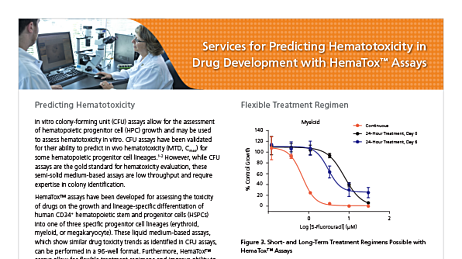
FIGURE 2: Determination of IC50 values for 5-Fluorouracil

Dose response curves and IC50 values for both human BM derived erythroid and myeloid progenitors incubated with 5-Fluorouracil
FIGURE 3: Human BM Colonies in the presence of a toxic compound
The size of CFCs will change in the presence of an inhibitory compound, serving as a sensitive toxicity assay readout.
References:
- Pessina A, Albella B, Bueren J, Brantom P, Casati S, Gribaldo L, Croera C, Gagliardi G, Foti P, Parchment R, Parent-Massin D, Sibiril Y, Van Den Heuvel R. Prevalidation of a model for predicting acute neutropenia by colony forming unit granulocyte/macrophage (CFU-GM) assay. Toxicol In Vitro 15:729-740, 2001
- Pessina A, Parent-Massin D, Albella B, Van Den Heuvel R, Casati S, Croera C,Malerba I, Sibiril Y, Gomez S, de Smedt A, Gribaldo L. Application of human CFU-Mk assay to predict potential thrombocytotoxicity of drugs. Toxicol In Vitro 23:194-200, 2009
Neural in vitro assays
STEMCELL scientists have worked with leaders in the neural stem cell field to develop standardized reagents and assays for the culture of neural stem and progenitor cells.
Neurospheres
1 are highly dynamic, three-dimensional floating spheres containing cells from different stages of neural development – neural stem cells, progenitors and mature cells. These neurospheres are the basis of both our proliferation (NCFC) assay and differentiation assay.
We use the NCFC assay to assess the effects of your substance of interest on primary neural cells.
FIGURE 1: Assays for neural stem and progenitor cells
References:
- Reynolds BA, Weiss S. Clonal and population analyses demonstrate that an EGF-responsive mammalian embryonic CNS precursor is a stem cell. Dev Biol 10:1-13, 1996
Mesenchymal in vitro assays
Drug candidates destined for the tissue engineering market can be assessed for stimulatory or inhibitory effects on the bone marrow microenvironment (mesenchymal cell matrix). These cells, under the appropriate conditions, can differentiate into structural cell types that make up adipose, cartilage, bone and muscle.
Functional assays using mesenchymal stem and progenitor cells from human bone marrow or mouse compact bone can be used to quantify and qualitatively assess the effects of compounds:
- Measure the effects of test compound on progenitor frequency
- Assess progenitor proliferative potential or overall expansion potential
- Quantitation of mesenchymal progenitor content in bone marrow
- Test the differentiation potential of mesenchymal stem cells into adipose, osteogenic and chrondrocyte lineages
The Contract Assay Services group has developed new assays for the quantification of mouse CFU-F from compact bone, a source known to be richer than the bone marrow in mesenchymal stem and progenitor cells. Mouse CFU-F frequency increases when culturing compact bone-derived MSCs under low oxygen conditions.
FIGURE 1: Effects of Doxorubicin on Human CFU-F

Dose response curve and IC50 value for human BM derived CFU-F incubated with Doxorubicin. Inhibitory compounds can affect the size and density of the CFU-F colony.
Mobilization, Engraftment and Hematopoietic Cell Recovery
Leverage our
in vivo expertise to examine the effects of your substance of interest. Our scientists have experience and expertise in the analysis of hematopoietic cell populations in a number of
in vivo models.
Experimental designs can address mobilization of hematopoietic stem cells from BM into PB, increases in total blood cell counts, and amplification of progenitors and stem cells.
We perform studies to examine the effects of mobilizing compounds (e.g. G-SCF and AMD3100) as described by Broxmeyer
et al. The kinetics of tri-lineage (myeloid, erythroid and lymphoid) engraftment in an animal model can also be followed after induction of myelosuppression. Studies can be customized to evaluate changes in HSC frequency.
TABLE 1: Mobilization of progenitors and increased erythropoiesis induced by EPO
Wild type BDF1 mice were treated with EPO on days 0 and 1. At day 4 the mice were sacrificed and the progenitor content of the spleens was assessed. *p<0.005
FIGURE 1: Recovery of CFC after injection of 5-Fluorouracil with and without G-CSF pre-treatment

Wild type BalbC mice were treated with 5-Fluorouracil on day 0. Animals treated with G-CSF (orange line) showed faster recovery of neutrophils in the blood (upper figure) and total progenitors (lower figure) in the bone marrow.
Characterization
Phenotypic characterization can be performed on normal, transgenic and knockout mice. Typical analysis includes blood and femoral cell counts, progenitor proliferative studies, stress/recovery experimentation and immunophenotypic analysis.
Clinical Samples
Use Contract Assay Services to assess progenitor frequency and content in:
- Peripheral blood samples from clinical trials
- Mobilized peripheral blood samples
- Cord blood samples for banking and/or transplantation
- Quantification of human CD34+ Cells by ISHAGE protocol for FACS is also available.
To see a sample of a clinical report for an individual sample,
click here.
Custom Educational Courses
Contract Assay Services offer customized educational courses designed to meet your specific needs.
Customized educational courses with Contract Assay Services give you:
- Hands-on training
- Low instructor to student ratios
- Option to run at your own facility
- Confidentiality agreements as required
Courses can be designed to:
- Standardize procedures within your group
- Improve colony enumeration skills, tightening CVs for colony counts
- Introduce new techniques to your staff
For more information, please contact us at
contractassay@stemcell.com.
STEMCELL Technologies also offers standard training courses for hematopoietic, neural, and mesenchymal cells.
Click here to learn more